
Blue hour photography is made in the short stretch of twilight before sunrise or after sunset. The light is cool and even, while buildings, water and street lights can still hold enough detail to feel real.
What does blue hour mean in photography?
The name describes a quality of light rather than a fixed clock time. Before sunrise, darkness slowly gives way to colour. After sunset, warm light fades and the sky becomes cooler before night takes over.
This transition can be brief. It also looks different from one day to the next. A clear sky may create a clean blue gradient. Cloud can soften the colour or hold the last warm light near the horizon. In a city, office windows and street lamps begin to share the scene with the remaining daylight.
The useful point is not the label. It is the balance. Blue hour lets a photograph show two kinds of light at once: the quiet light left in the sky and the artificial light beginning inside the city.
Blue hour or golden hour: what is the difference?
Golden hour photography is shaped by low, warm sunlight. It can bring out texture, long shadows and amber colour. Blue hour comes later in the evening, or earlier in the morning, when direct sunlight has gone but the sky is not yet dark.
Golden hour
Warmer light, visible direction and stronger highlights. It can make stone, skin and landscape feel open and tactile.
Blue hour
Cooler colour, softer contrast and a closer balance between sky and artificial light. It can make cities and water feel quieter.
Night
A dark sky and stronger artificial light. The scene can feel more graphic, but quieter details are easier to lose.
Neither is better. They solve different visual problems. Golden hour can reveal surfaces. Blue hour can simplify them.
Why does blue hour work so well for city photography?
Bright midday light often separates a city into hard patches of sun and shade. Full night can remove too much of the surrounding structure. Blue hour sits between them.
The sky still has colour, so dark buildings keep an outline. Windows and lamps are visible, but they do not have to fight a black background. Reflections in glass, rain or water can connect the two.
This is especially useful with architecture. A skyline can remain clear without feeling clinical. A familiar landmark can hold its shape while the cooler light makes the photograph less literal. The image still says London, but it does not need to behave like a postcard.
What does blue hour change in a photography print?
A phone screen emits light. A print reflects the light already in the room. That makes dark twilight photographs more demanding. If the shadows are crushed or the colour is pushed too far, the print can feel heavy.
A strong blue hour print usually keeps separation between the sky, the subject and the deepest shadows. Small warm lights can help, but they should support the scene rather than scatter attention across it.
From across a room, the larger shapes should still read. Up close, there should be enough tonal detail to reward another look. This balance matters more than whether the photograph uses the bluest possible sky.
How do you choose a blue hour print for a room?
Start with the room’s existing light. A naturally bright room can hold a deeper twilight image. A darker room may suit a print with a pale horizon, reflective water or enough warm windows to keep the composition open.
Look at the main shape
The skyline, wheel, bridge or horizon should remain clear before you notice every light.
Check the darkest areas
Shadow can create calm. One solid block of black usually feels heavier than a scene with quiet tonal steps.
Notice warm accents
Amber windows or lamps can stop a cool print feeling cold, but they do not need to dominate.
Leave exact colour matching alone. Choose a photograph for its structure and atmosphere, not because one blue matches a cushion.
Two blue hour print directions
One approach uses a single recognisable form against open sky. The other lets the wider city carry the transition from daylight to artificial light.
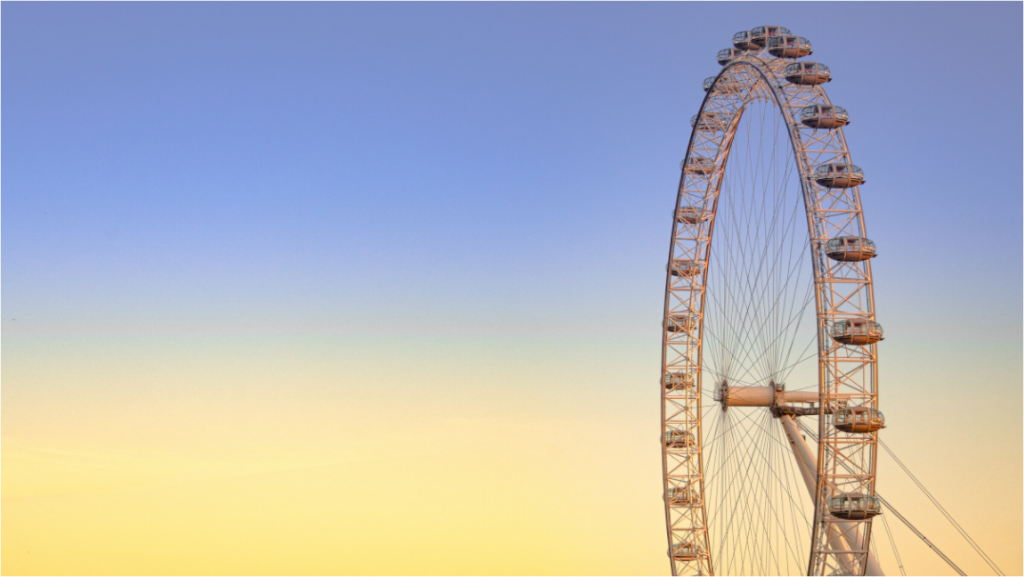
The Wheel at Twilight
Open sky and the curve of the London Eye make this the lighter, more spacious direction.
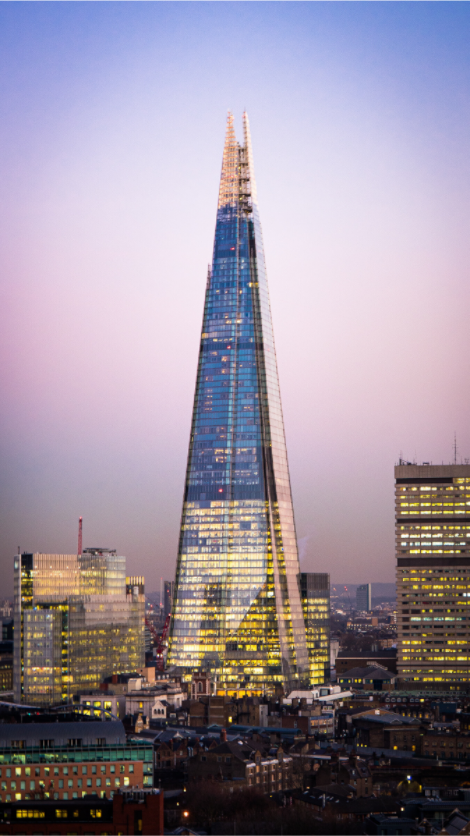
The Shard at Twilight
A denser city view where cool sky, reflective glass and warm windows share the frame.
The quiet part matters most
Blue hour photography works because it catches a city or landscape while it is changing state. The best examples do not rely on blue colour alone. They keep enough shape, detail and restraint to remain convincing after the first impression.
For wall art, that restraint is useful. The photograph can bring atmosphere into a room without asking to be the loudest thing in it.
Explore London in changing light
Browse London photography prints shaped by dawn, dusk, weather and the city’s quieter transitions.