
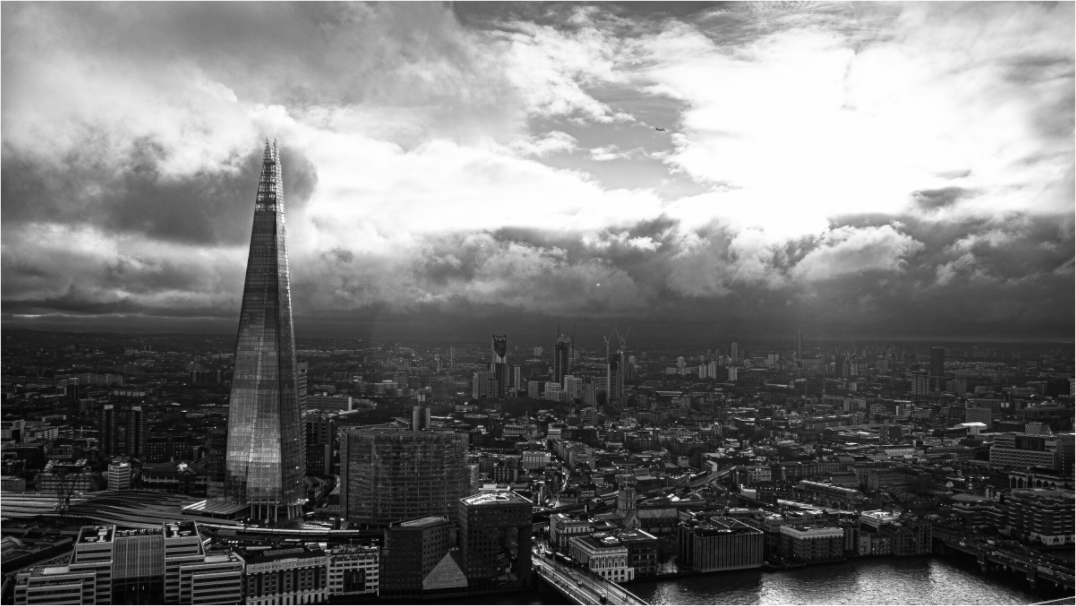
Posters and photo prints can both fill a wall. The difference is how much of the image survives once it becomes part of a room.
If you are choosing wall art, the words can get messy quickly. Poster print. Photo print. Fine art print. Art print. They sound close enough that it is easy to treat them as the same thing.
They are not the same thing.
The simple version: a poster is usually made for affordable display. A photographic print is made to hold detail, tone, and paper quality more carefully. A fine art photography print goes a step further, with more attention paid to the image, paper, production method, and how it should feel in a room over time.
That does not mean every poster is bad. It means the job is different. A poster can be perfect for a studio wall, a temporary flat, a teenager’s bedroom, or a place where the graphic idea matters more than the surface. A photography print is usually better when you want the image to feel permanent.
What is a poster print?
A poster print is normally a more affordable print made on lighter paper. It is often produced at high volume. The surface can be glossy, thin, and flexible. The image may still look good from a distance, especially if it is graphic, bold, or text-led.
Posters work because they are easy. Easy to buy. Easy to replace. Easy to move around.
That is also the limitation. If the subject is a photograph with quiet shadow detail, soft gradients, mist, stone texture, or a subtle black-and-white tonal range, a cheap poster surface can flatten the image. The wall still gets covered, but the photograph loses some of its depth.
What is a photographic print?
A photographic print is made to show a photograph with more care. The paper is usually heavier. The tonal range is more important. The print should hold highlights, shadows, and small details without making the image feel harsh or disposable.
This matters most with images that rely on atmosphere. A London skyline at dusk. A black-and-white architecture print. A quiet seascape with very little going on. These images do not shout. They need the print surface to let the photograph breathe.
That is why a print like The Shard from Sky Garden needs more than a poster treatment. The point is not just the building. It is the distance, the haze, the dark edge of the skyline, and the restraint of the monochrome tones.
Where does a fine art photography print fit?
A fine art photography print is still a photographic print, but the intention is different. It is not just a copy of a picture. It is a finished object for a wall.
That usually means stronger attention to paper choice, print quality, colour or monochrome accuracy, and the final presentation. The image should still feel considered when it is framed, hung, and lived with for years.
On Othervariant, the prints are made as quiet wall pieces rather than throwaway decor. London architecture, black and white scenes, nature, coastal light, and landscape images all need enough production quality to keep their atmosphere. If you want the deeper definition, I wrote a separate guide to what makes a fine art photography print.
Poster print
Best when you want something affordable, graphic, temporary, or easy to swap later.
Photo print
Best when the photograph needs stronger paper, clearer detail, and better tonal control.
Fine art print
Best when the print is meant to feel like a finished object, not just an image on paper.
Which one looks better on a wall?
It depends on the room and the image.
A poster can work well in a busy space where you want colour, scale, or a casual feel. It can also work when the design is simple and bold enough that paper quality is not the main point.
A photography print works better when the wall is quieter. Bedrooms, living rooms, home offices, hallways, and minimal interiors usually reward subtlety. In those spaces, cheap shine and thin paper can make the print feel less settled. A better photographic print tends to sit into the room instead of floating on top of it.
Black-and-white photography is especially sensitive to this. A good monochrome print needs smooth transitions from white to grey to black. If the print crushes the shadows or makes the highlights feel brittle, the image can become more like a photocopy than a photograph.
That is one reason structured London prints such as Tower Bridge Steel work well as proper photography prints. The architecture gives the image strength, but the paper and tonal handling decide whether it feels calm or cheap.
| Question | Better choice |
|---|---|
| Do you want temporary, affordable wall decor? | Poster print |
| Do you care about shadow detail and paper feel? | Photo print |
| Is the image meant to stay on the wall for years? | Fine art photography print |
| Will the print be framed in a calm interior? | Photo or fine art print |
What should you buy?
If you are decorating quickly and the image is not deeply personal, buy the poster. No shame in that. Some walls need something simple.
If you are choosing a photograph because you want to keep looking at it, buy the better print. Especially if it is black and white, architectural, landscape, coastal, or quiet in tone. Those images need the print process to carry the feeling.
Also think about framing. A better print deserves a better frame, and the frame changes how the whole piece behaves. If you are deciding between different presentation styles, the guide to framed wall art vs canvas prints will help you avoid the usual mistake: choosing the loudest format instead of the one that suits the photograph.
The Library of Congress gives practical care advice for photographs and paper-based materials, including keeping them away from harsh light, heat, moisture, and poor handling. That is useful because it reminds you of the boring truth: prints are physical objects. Paper, light, storage, and framing all matter. You can read their preservation notes here: Care, Handling, and Storage of Photographs.
The quiet difference
The difference between a poster and a photography print is not just price. It is intent.
A poster says: cover the wall.
A good photography print says: stay with the image.
That is the better test. If you only need colour and scale, a poster can do the job. If the image has atmosphere, detail, memory, or a slower kind of presence, give it the print quality it needs.
For quiet London architecture, black-and-white scenes, and atmospheric wall pieces, browse the current London photography prints.
Prints mentioned in this article
A quick visual reference for the Othervariant prints linked above.
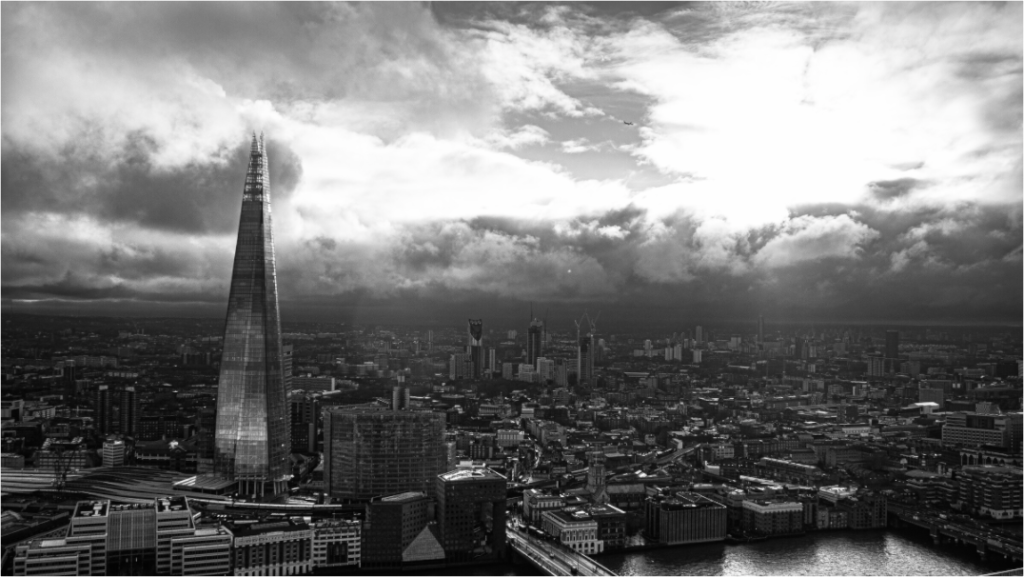
The Shard from Sky Garden
Othervariant london available in multiple sizes and configurations.
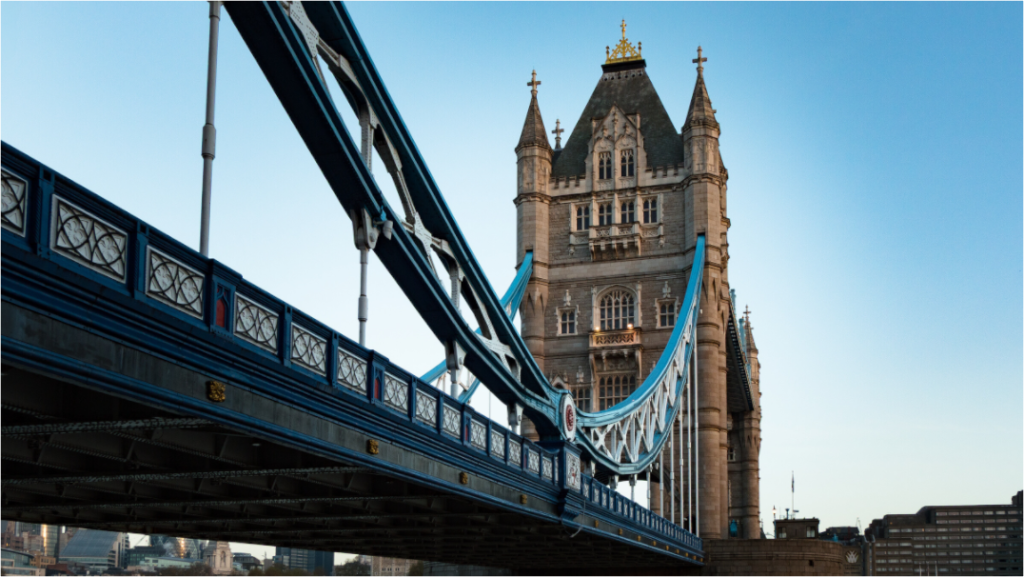
Tower Bridge Steel
Othervariant london available in multiple sizes and configurations.