
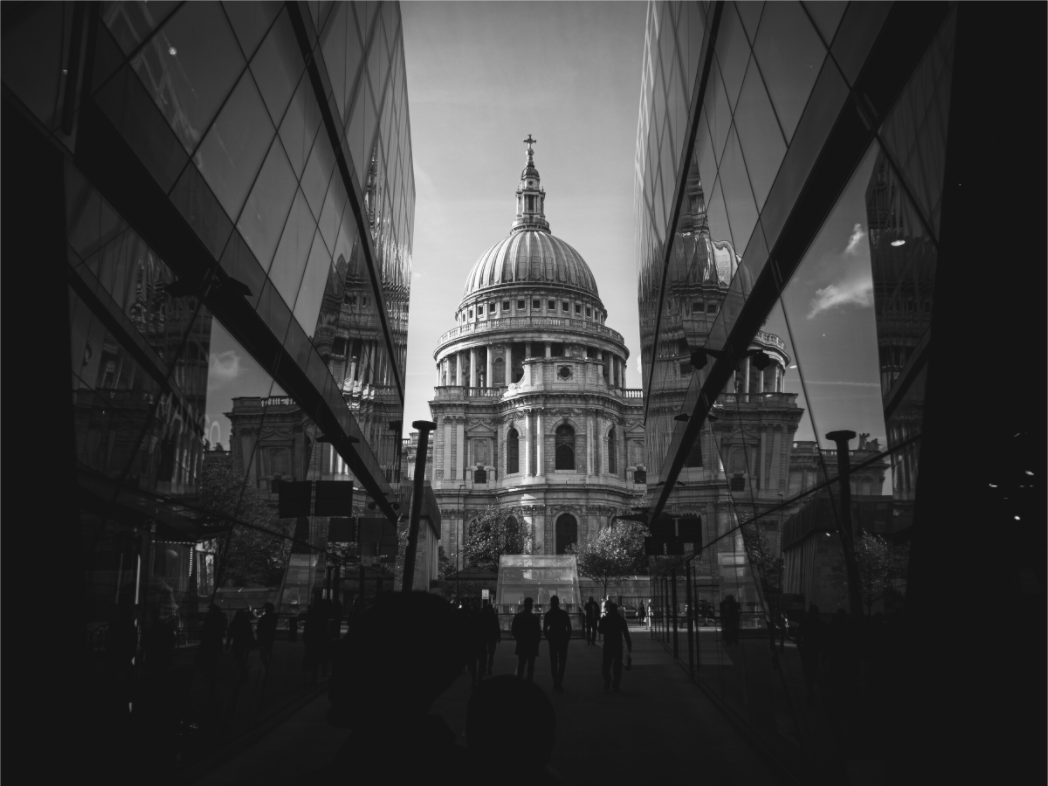
A fine art photography print is not just a photo made larger. It is a photograph selected, edited, printed, and presented as an object worth living with.
The phrase gets used too loosely. Sometimes it means a museum print. Sometimes it means a decorative poster with better paper. Sometimes it is only a marketing label attached to an ordinary image.
A better definition is simpler: a fine art photography print is a photograph made with artistic intent, then produced with enough care that the final print carries that intent into a room.
That matters if you are choosing art for your home. You are not only buying a subject. London. A coastline. A mountain. A quiet black and white street. You are buying the way the photographer saw it, and the way that image changes once it is printed, framed, and placed on a wall.
Fine art photography starts before the print
The print begins with the photograph, but the photograph begins earlier than the shutter.
A fine art image usually has a point of view. It may be calm, architectural, lonely, graphic, soft, severe, or restrained. It does not need to explain itself loudly. It needs to hold attention after the first glance.
That is why two photographs of the same landmark can feel completely different. One may show the obvious view. The other may remove the noise and leave only shape, light, weather, and timing.
This is especially true with architecture and landscape photography. A London skyline print can be about the skyline. It can also be about scale, distance, rhythm, glass, stone, or the strange calm of a city seen from above.
The print is part of the work
A photograph can look strong on a screen and fall apart on paper. The reverse can also happen. Some quiet images need print to make sense.
Fine art printing pays attention to tone, contrast, paper surface, colour accuracy, sharpness, and scale. Black and white photography makes this more obvious. If the shadows block up or the highlights go dull, the image loses its structure. If the paper is too glossy for the photograph, the surface can fight the mood.
This is why print quality matters. Not because expensive paper magically makes a weak photograph better. It does not. But the wrong print can weaken a good photograph.
Subject
What the photograph shows: a place, building, coastline, street, or detail.
Intent
Why the image was made this way: quiet, graphic, minimal, atmospheric, or documentary.
How the final object holds that intent through paper, tone, scale, and finish.
Fine art print does not always mean limited edition
This is a common misunderstanding.
A limited edition can make a print more collectible because only a fixed number will be sold. That can matter for buyers who care about scarcity, certificates, and long-term value.
But an unlimited print can still be a fine art photography print if the image and production are treated seriously. Edition size is a sales structure. It is not the whole definition of the work.
For most homes, the better question is not “is it limited?” The better question is: will this image still feel right in five years?
What to look for when buying one
Start with the feeling, then check the details.
If a photograph only matches your sofa, it may not last. If it has a mood you keep returning to, it has a better chance. Good wall art should sit quietly in a room and still reward attention when you stop and look.
| Look for | Why it matters |
|---|---|
| A clear visual mood | The print should change the room without shouting over it. |
| Strong composition | Shape, balance, and negative space often matter more than the famous subject. |
| Appropriate paper and finish | Soft landscapes, bold architecture, and black and white prints do not all need the same surface. |
| Accurate presentation | The listing should make size, crop, frame options, and production quality clear. |
For a minimal interior, black and white photography prints often work because they remove colour decisions. The image becomes shape, contrast, and atmosphere. For a warmer room, a landscape or coastal print can bring in air without making the space feel decorated for the sake of it.
If you are drawn to city work, start with the structure of the image. A good London photograph does not need to rely on the landmark alone. The stronger ones usually find a quieter angle: stone against sky, glass against cloud, a bridge reduced to lines, or a familiar building seen with enough restraint that it becomes new again. The current London photography print collection is built around that kind of quieter view.
So what is a fine art photography print?
It is a photograph with intent, printed with care, and chosen because it does more than fill a blank space.
That does not mean it has to be complicated. The best prints often feel simple at first. Then they stay with you.
Start with the image you keep returning to. Check the materials. Check the scale. Make sure the print suits the room, but do not let the room make the whole decision.
Good photography has a quiet way of changing how a wall feels.
For a broader art definition, Tate’s photography overview is a useful reference point.
Browse Othervariant fine art photography prints, including London architecture, black and white work, and quieter landscape pieces.
Print mentioned in this article
A quick visual reference for the Othervariant print linked above.
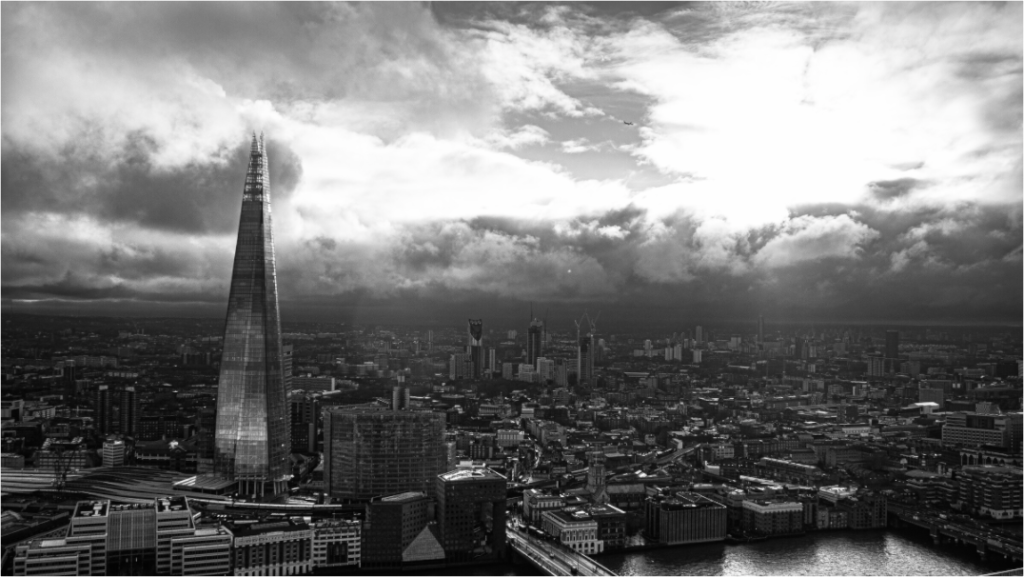
The Shard from Sky Garden
Othervariant london available in multiple sizes and configurations.