
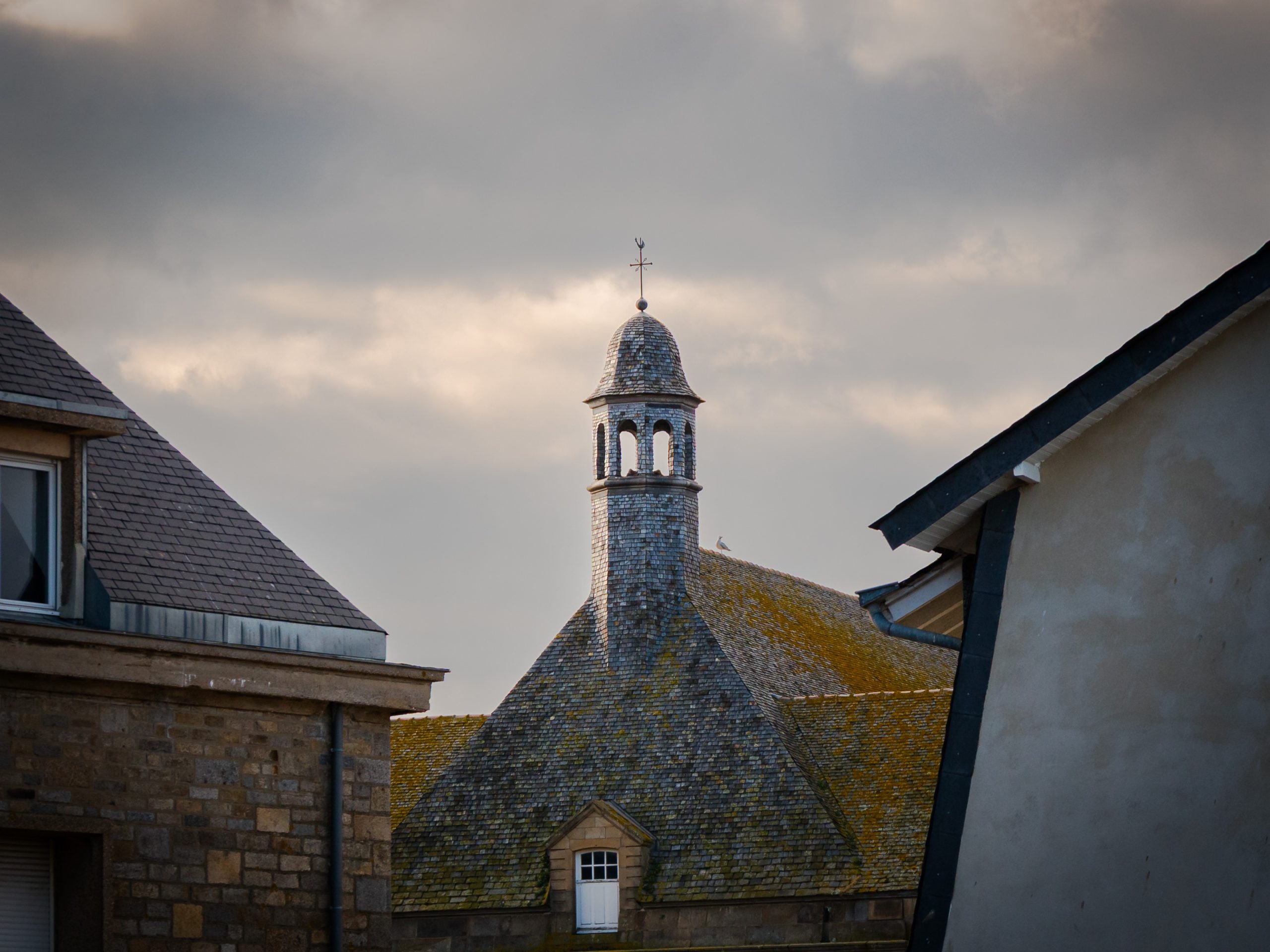
Modern photography can sit comfortably in a traditional interior. The room does not need more imitation heritage. It needs an image, frame and scale that respect the architecture without becoming another period detail.
A room with cornicing, old timber, a fireplace or patterned textiles already carries history. That can make contemporary wall art feel like a risky choice. In practice, contrast is often easier than imitation. A photograph can bring a clean pause to a room without stripping away its character.
Start with the room’s strongest feature
Look past the decorative details and find the structure. It may be a stone fireplace, tall sash windows, dark floorboards, a long sideboard or a strong doorway. Use that feature as the anchor for the artwork.
The print does not need to copy it. A vertical architectural photograph can answer the height of a window. A quiet landscape can soften a room with heavy timber. A wide image can settle above a low piece of furniture. This is more useful than trying to match every colour in a rug or curtain.
Traditional interiors often contain several small points of interest. One photograph with a clear composition gives the eye somewhere to rest. If the room already feels detailed, avoid adding a busy gallery wall simply because the wall is large.
Use the subject as a bridge
A familiar subject can make modern photography easier to introduce. Old stone, mature trees, rooftops, coastlines and recognisable architecture all have a natural relationship with traditional materials. The contemporary part can come from the crop, viewpoint or restraint of the image.
This balance matters. A sepia effect or an ornate frame can make a new photograph look as though it is pretending to be old. A clean monochrome print of historic architecture usually feels more honest. It acknowledges the room’s age without turning the wall into a reproduction set.
The safest connection is one shared quality, not a complete match.
Choose a frame that belongs to the room
Start with materials already present. A slim black frame can add definition beside dark ironwork or a black fireplace insert. Natural timber can sit quietly with floorboards and older furniture. A simple pale mount can give a detailed photograph breathing room against patterned wallpaper or deep paint.
Avoid choosing the most traditional frame by default. Heavy moulding can compete with cornices, mirrors and cabinet details. The photograph should still read as photography. If the frame becomes the first thing you notice, step back to a quieter profile.
The guide to choosing framed photography prints goes further into mount width, frame colour and room fit.
Match visual weight, not every colour
Traditional does not always mean dark. Some period rooms are pale and airy. Others carry strong timber, velvet, patterned paper and deep paint. Judge how much visual weight the room already has.
Detailed room
Choose one photograph with open sky, mist, water or a simple silhouette. Leave enough wall around it to create a pause.
Quiet room
A stronger architectural image or darker tonal range can provide a useful focal point without adding more objects.
Mixed room
Repeat one tone or material, then allow the subject to differ. Exact colour matching can make the result feel overly arranged.
If you are deciding between colour and monochrome, the guide to colour or black-and-white photography prints compares how each changes a room.
Let contrast look deliberate
Modern photography does not have to disappear into a traditional room. A clean black-and-white city image can work beside an antique table because the difference is clear. Trouble starts when the contrast looks accidental: a small glossy print floating above large furniture, or a bright image squeezed between several ornate objects.
Give the work a definite position. Relate its width to the furniture below it. Keep nearby objects low enough that the picture has a clear outline. If a mirror, lamp or cabinet already leads the wall, move the photograph to a quieter surface rather than asking both to compete.
Test the print at real size
Screen mock-ups are useful, but they can make art look larger and brighter than it will feel in the room. Mark the outer frame size with paper or low-tack tape. View it from the doorway and from the chair you use most.
Check the wall in daylight and after the lamps are on. Old rooms can have uneven light, deep reveals and dark corners. A print that looks balanced at noon may lose its quieter detail in the evening. Move the template before changing the image. Sometimes the wall, not the photograph, is the problem.
Two photography directions for traditional interiors
These current Othervariant prints take different routes. One uses architecture and weather. The other uses landscape, soft distance and natural colour. Both can connect with an older room without copying its decoration.
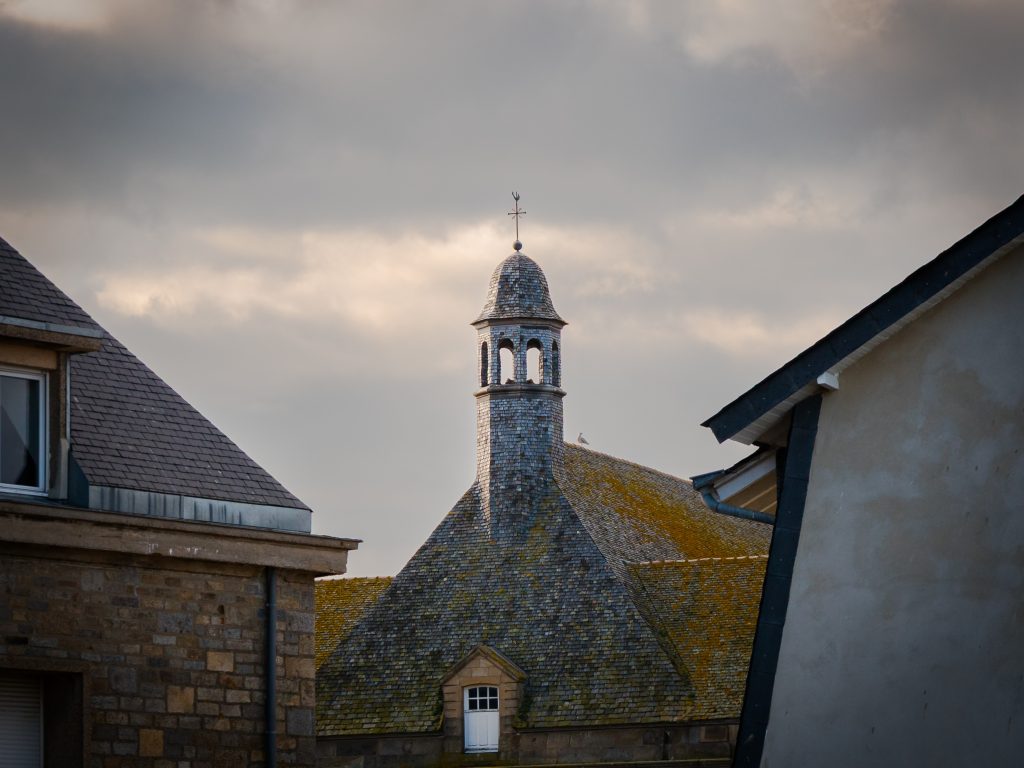
Storm Over the Belfry
Historic stone and a restrained storm palette create a bridge to period architecture without making the photograph feel nostalgic.
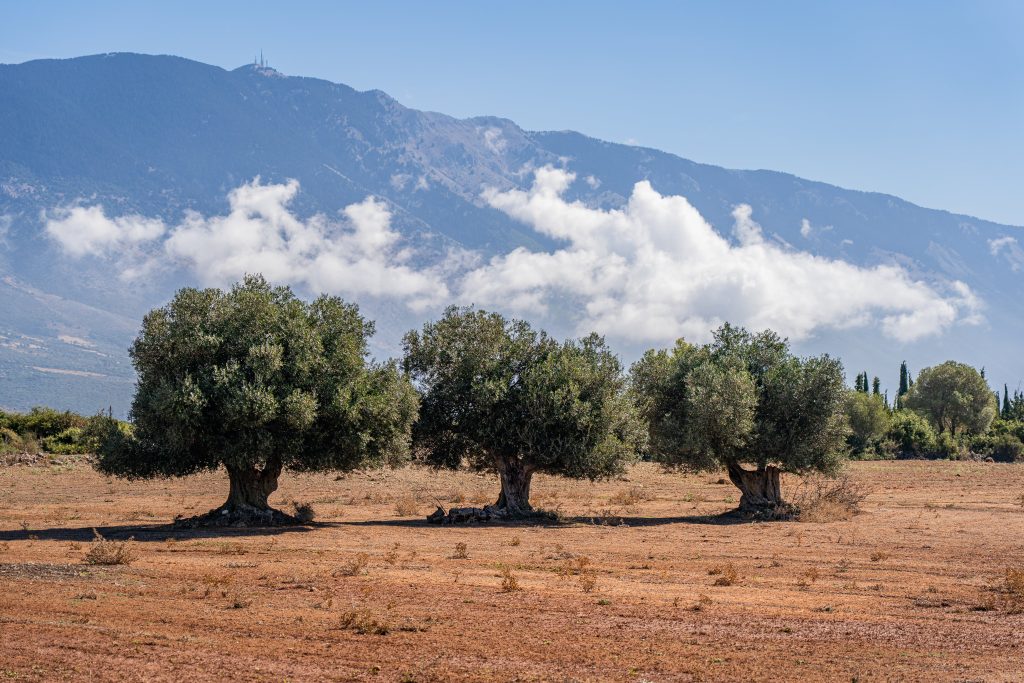
Three Olive Trees
Soft greens, mist and open distance can lighten a room with dark timber, patterned fabric or heavier furniture.
Keep one clear reason for the choice
The print can echo the building, soften the furniture or introduce a cleaner point of contrast. It does not need to do all three. Choose the reason that matters most, then remove anything that weakens it.
A traditional interior is already layered. The right photograph does not compete with that history. It gives the room a present-day point of view.
Find a photograph that can hold its own quietly
Compare architecture, landscape and monochrome prints at your own pace. Start with the room, then choose the image.