
A new-build home can feel unfinished because its surfaces are clean and its history is still being made. Wall art helps most when it adds a specific point of view, not when it tries to cover every blank area at once.
Choose the first wall by daily use
The largest wall is not automatically the best starting point. Notice the view when you enter, sit down, cook or work. The wall that appears repeatedly can carry the first photograph and begin to give the home an identity.
Leave secondary walls alone until that work has settled. New-build rooms often look emptier because the eye has no hierarchy, not because every surface lacks decoration. One well-scaled image can organise the room more effectively than several small purchases distributed evenly.
Bring in a real place or atmosphere
Show homes rely on coordinated colour because they cannot know the people who will live there. Move away from that model by choosing a photograph with a location, weather or mood that matters to you.
It does not need to document a personal trip. A rainy London view, misty landscape or quiet coast can introduce a more particular atmosphere than a generic abstract pattern. The image becomes a point of conversation and gives the clean architecture something specific to hold.
Correct scale before adding accessories
Blank new-build walls can make framed work look small. Measure the outside of the proposed frame and mark it on the wall. View it from the doorway and across the room.
If the image is meant to anchor furniture, relate it to the furniture width and leave deliberate space around it. Do not compensate for an undersized print with many unrelated objects. The room may need one larger, calmer photograph rather than a shelf, clock, sign and several small frames.
Use material to add warmth
A photograph can connect clean plaster, laminate, timber, metal and fabric when its frame and tones repeat one material already present. Natural wood may soften a bright room; black can add a useful line to pale walls; white can keep a small space open.
Choose the image first, then use the frame as a quiet link. Warmth also comes from the photograph itself. Wet pavement reflections, winter light or muted earth tones feel more grounded than adding decorative objects solely because they are beige.
Avoid decorating the future out of the room
A new home will accumulate books, textiles, plants and signs of daily life. Leave visual capacity for that change. If every wall is completed immediately, later objects can make the space crowded.
Build the room in stages. Hang the first photograph, live with it through morning and evening, then decide whether another wall needs support. Empty space is not a failure. It helps a chosen work read clearly and gives the home room to become personal.
Create continuity without a package
When adding later prints, repeat one element rather than buying a matched set. Similar frame finish, restrained contrast or a recurring sense of distance can connect rooms.
Subjects may vary. A city photograph in the living space and a misty landscape in the bedroom can share warmth and still give each room its own pace. This loose continuity makes the home feel considered without recreating a catalogue arrangement.
Use the first year as an editing period
Treat the first year in a new home as an editing period rather than a deadline. Seasonal light will change which walls feel bright, furniture may move and daily routes will become clearer. Photograph each installed print from the doorway and from where you normally sit, then revisit those images after a few months.
If the work still feels correctly scaled and connected to the room, it can guide the next choice. If not, move it before buying more. Character grows through these small adjustments. It does not require every wall to be resolved before the home has been properly lived in.
Two real print directions
These two current Othervariant photographs show how the decision can lead to different subjects without losing clarity. Use the product pages to compare the full image, available presentation and the shape of the work.
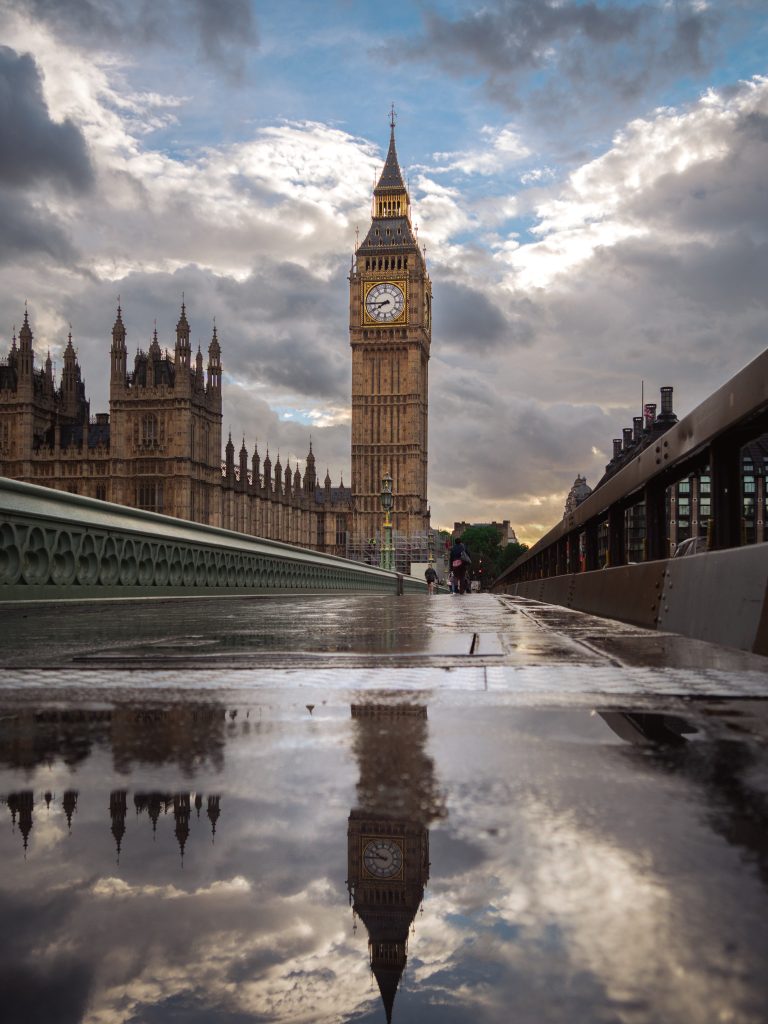
Big Ben After Rain — Westminster Bridge Photography Print
Wet pavement, dramatic cloud and warm clock detail bring a specific lived-in London atmosphere.
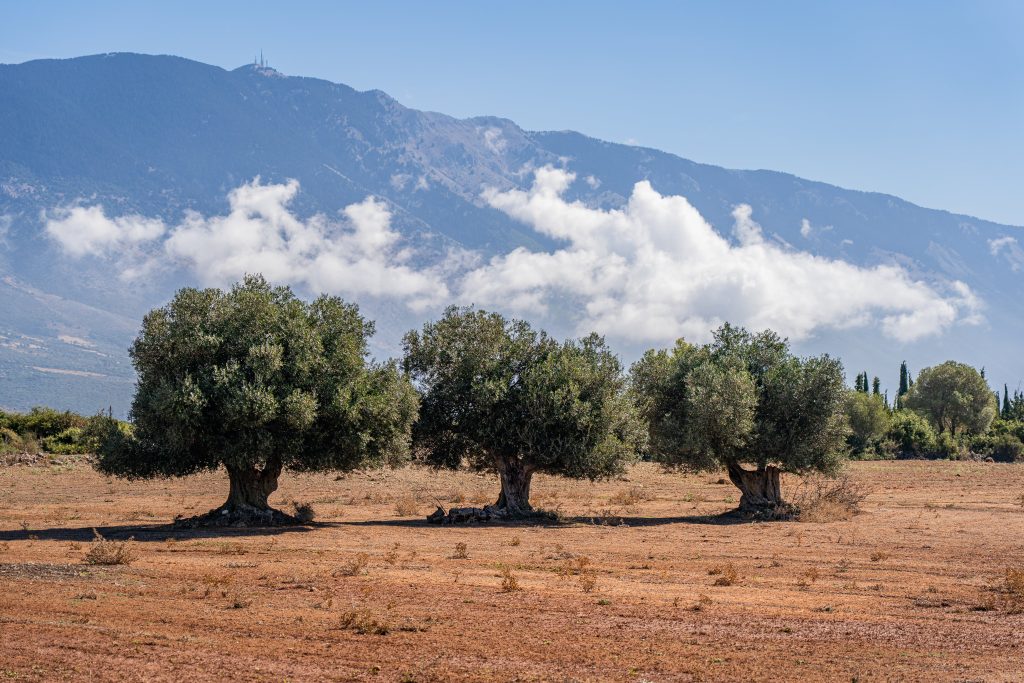
Three Olive Trees — Kefalonia Greece Photography Print
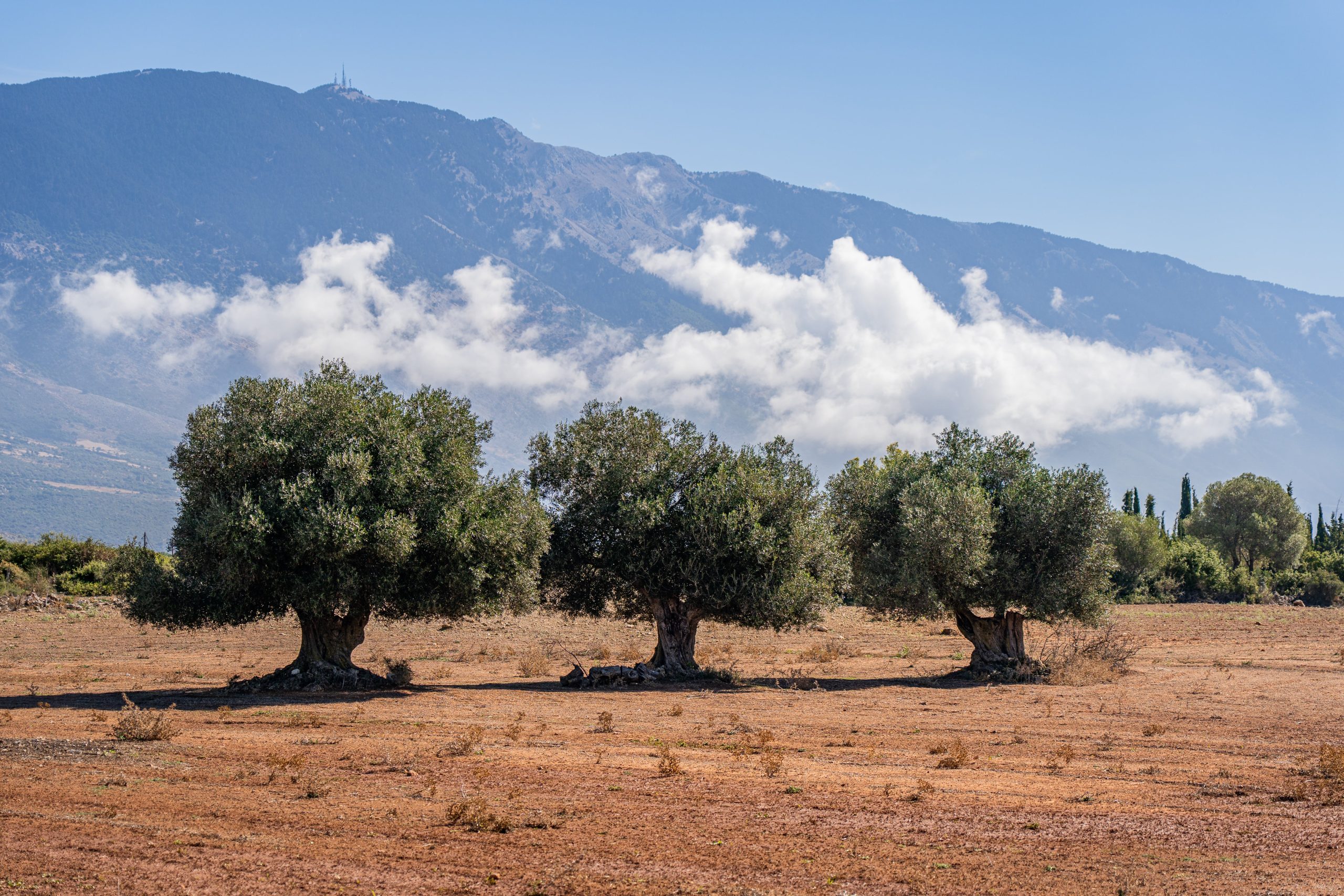
A misty mountain landscape offers a softer, earth-led direction for a clean new room.
For a broader decision sequence, read the guide to choosing photography art for your home before measuring the final position.
Choose the photograph before filling the wall
Compare the image, room and scale slowly. The current collection is available to browse without urgency.