
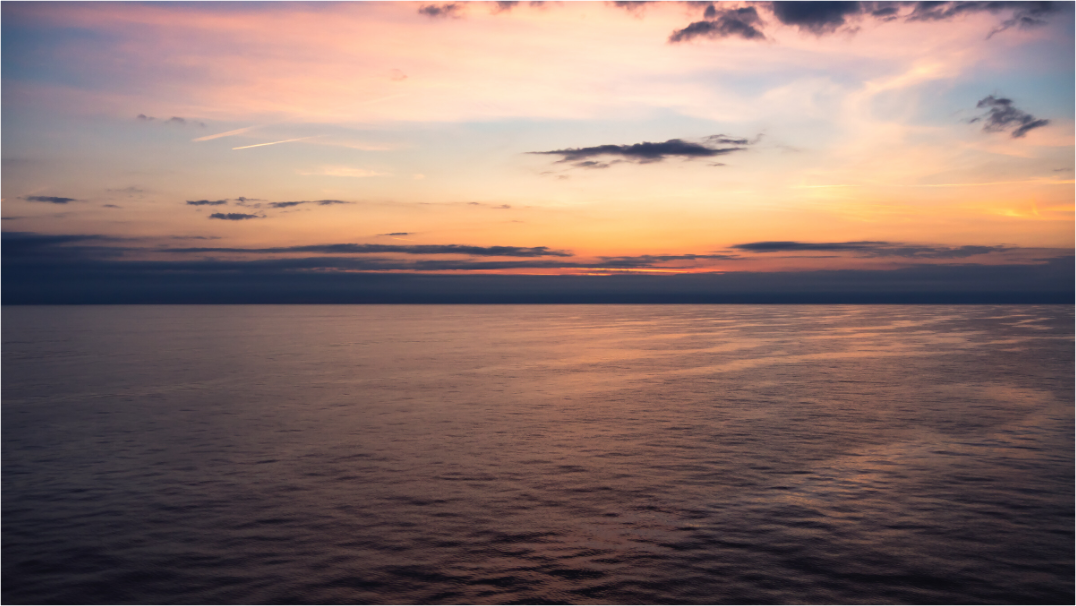
The best wall art for a conservatory works with the room’s light and view instead of competing with them. Start with the small amount of solid wall you actually have, choose a photograph with a clear shape, and keep it away from strong direct sunlight.
Begin with the room, not the colour scheme
A conservatory is mostly light, glass and changing views. That makes it different from a living room with one obvious wall above a sofa. The first question is not which colour will match the cushions. It is where a framed photograph can sit without looking squeezed between doors, windows and roof lines.
Stand at the entrance and find the calmest solid surface. It may be a low wall above a sideboard, a narrow return beside a door or the wall that connects the conservatory to the house. One convincing position is enough. A print needs a visual anchor more than it needs a large amount of wall.
Let the photograph offer a second view
Nature photography is an obvious fit, but it should not simply repeat what is outside the glass. A close green garden beside a green landscape print can flatten both. Look for a useful difference: open distance against dense planting, mist against sharp midday light, or a simple horizon beside a busy garden.
Architecture can work too. A structured city photograph can give the room a firmer edge when the rest of the space is soft and leafy. The subject matters less than the relationship between the photograph, the view and the way you use the room.
Dense garden outside
Try a photograph with distance, sky or open water. The quieter shape gives the eye somewhere else to rest.
Minimal paved courtyard
A misty landscape or detailed architectural print can add depth without filling the room with small objects.
Mixed, seasonal view
Choose a photograph you like in its own right. The outdoor colours will change, so avoid relying on a perfect match.
Choose a wall with indirect light
A bright conservatory is not automatically a bad place for photography. The difficult position is a wall that receives a concentrated beam of direct sun for hours, or one that reflects a window across the whole frame from your usual seat.
Watch the proposed position in the morning, around midday and later in the day. If direct sunlight crosses it regularly, use another wall. If glare is the problem, move a paper template slightly and check again from the chair or table. The angle often matters as much as the brightness.
The guides to caring for framed photography prints and lighting photography wall art explain the longer-term care and reflection questions in more detail.
Judge scale against furniture
Glass walls make a conservatory feel larger than its usable wall area. That can tempt you into measuring the whole room and choosing a print that overwhelms the only solid surface.
Use the furniture below or beside the artwork as the anchor. A photograph above a sideboard should relate to that piece, not to the full width of the glazing. On a narrow return wall, a smaller vertical frame may feel more deliberate than a wide print forced into the gap.
Leave clear space around the outer frame. Conservatories already have strong lines from window frames, doors and roof bars. Crowding a photograph against those lines makes it look like part of the building detail rather than something chosen.
Keep the framing quiet
The room already changes through the day. Reflections move. Shadows sharpen and soften. A restrained frame gives the photograph a steady boundary inside that movement.
Black can give a pale room structure. Natural wood can sit comfortably near plants and warmer furniture. Neither is a rule. Choose the image first, then use the frame to separate it from the wall without turning it into another decorative feature.
If you are comparing glazing or presentation options, check the current product information before deciding. The useful question is how the complete framed work will read from your normal seat, not how the empty frame looks on a sample board.
Test the position for a full day
Cut a paper rectangle to the outer frame size and tape it to the proposed wall. Sit where you normally sit. Walk in from the house. Open the main door. Check the template again as the light changes.
This catches three common mistakes: a frame that is hidden by an open door, a position that catches constant glare, and a print that looks correctly sized only when viewed straight on. If the paper still feels settled by evening, the wall is doing its job.
Two calm print directions
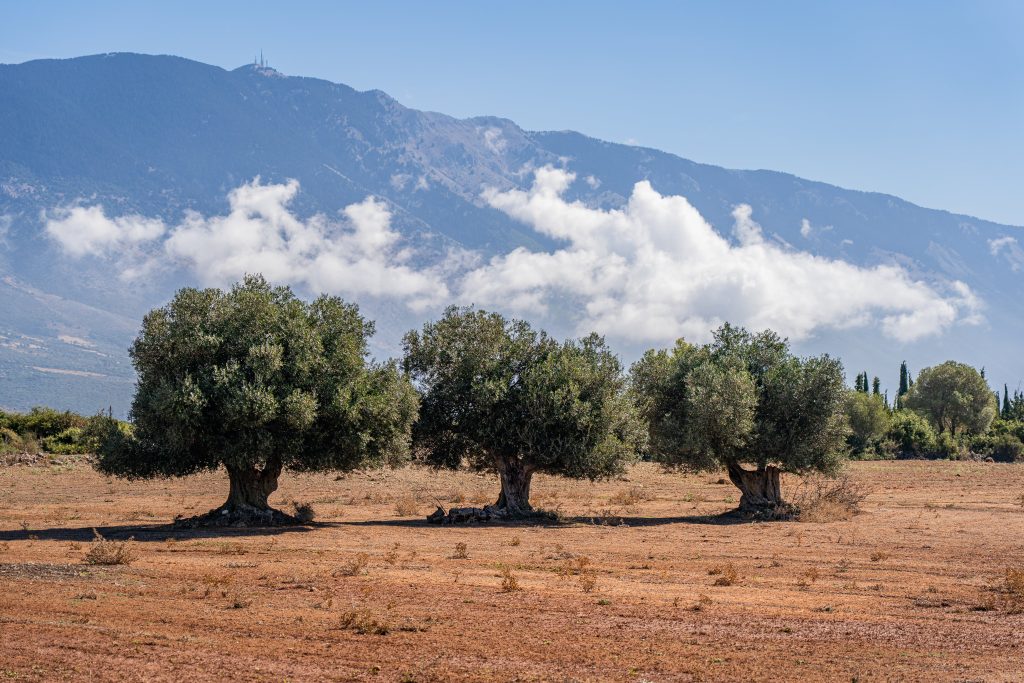
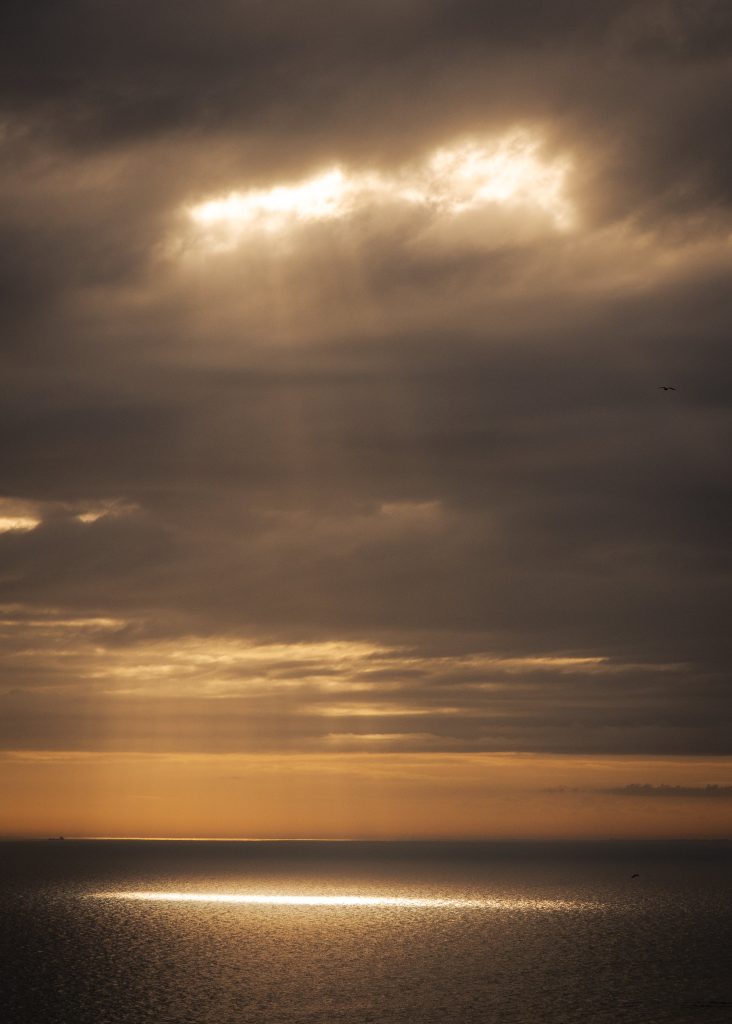
These current Othervariant photographs take different approaches. One adds mist and layered depth. The other gives a bright room a quieter coastal horizon.
Three Olive Trees
Mist, mountain layers and three clear forms can add depth beside a close or leafy garden view.
Light Break
A pale Seven Sisters seascape with open air and a clear vertical shape for a smaller solid wall.
Choose the wall before filling the room
A conservatory already has a view. The right photograph adds one quiet point of focus without trying to compete with the glass.