
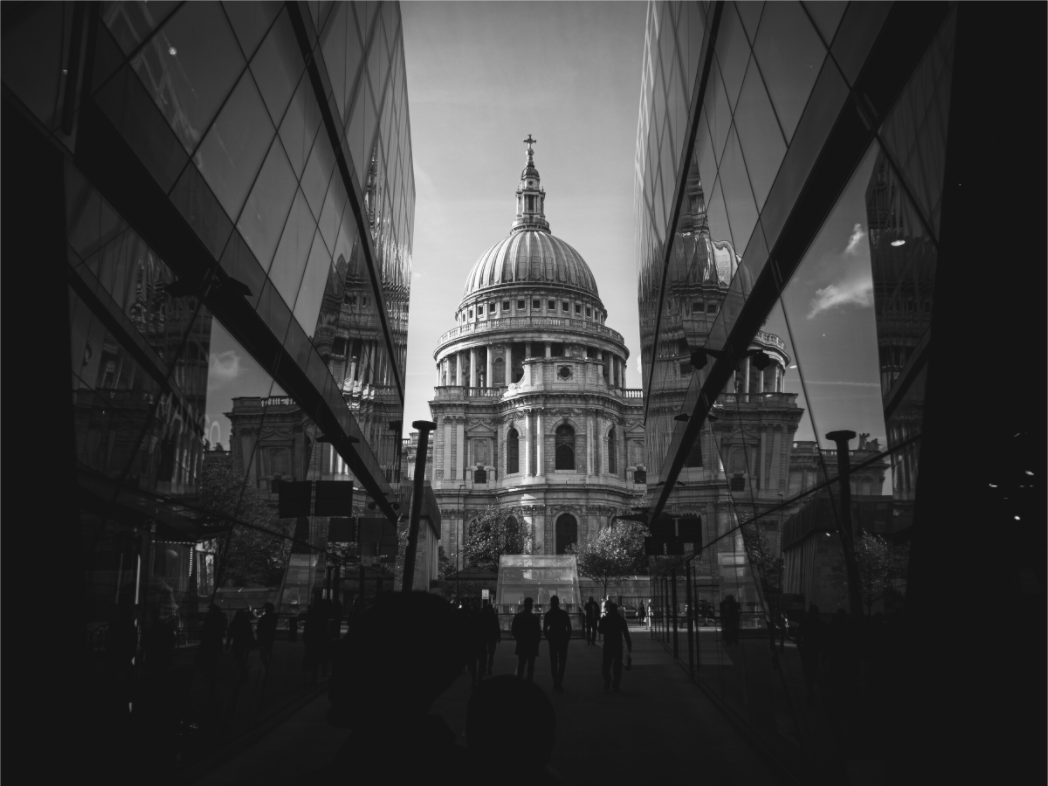
Buying a photograph online should still feel considered. The useful details are not the loud promises on a product page, but the quiet facts that tell you what the image is, how it will arrive and whether it belongs in your room.
Begin with the photograph, not the format
A strong listing lets you understand the photograph before asking you to choose a size. Look for a clear subject, a coherent mood and enough visual information to judge the image away from a styled room mockup. A close product crop can show detail, while the full image should reveal the edges and original shape.
If every preview is heavily filtered or hidden behind a frame, it becomes harder to know what you are buying. Decide whether you want architecture, landscape, colour or monochrome first. Paper and frame choices matter, but they should support a photograph you would still choose without them.
Read the product details slowly
When you buy photography prints online, the product page should separate the photograph from its available presentation. Check whether the price shown is for a print, a framed print or a particular size. Note the aspect ratio because a panoramic skyline, vertical coastal view and standard landscape image need different wall shapes.
Look for plain information about finish, borders, mounts and frame options where offered. Do not assume a lifestyle photograph shows the exact size you selected. The most useful listing gives enough information to compare options without pretending that one configuration suits every room.
Measure the wall in real units
Screens make almost every image feel similarly sized. Measure the usable wall area in centimetres, then mark the proposed outer frame with low-tack tape or paper. Include the frame, not only the printed image.
Step back to the normal viewing position and check how much wall remains around it. A photograph above furniture should relate to the furniture width, while a narrow wall may need a vertical image with generous space beside it. This simple test is more reliable than judging a thumbnail, and it prevents a beautifully detailed print from arriving too small to hold the wall.
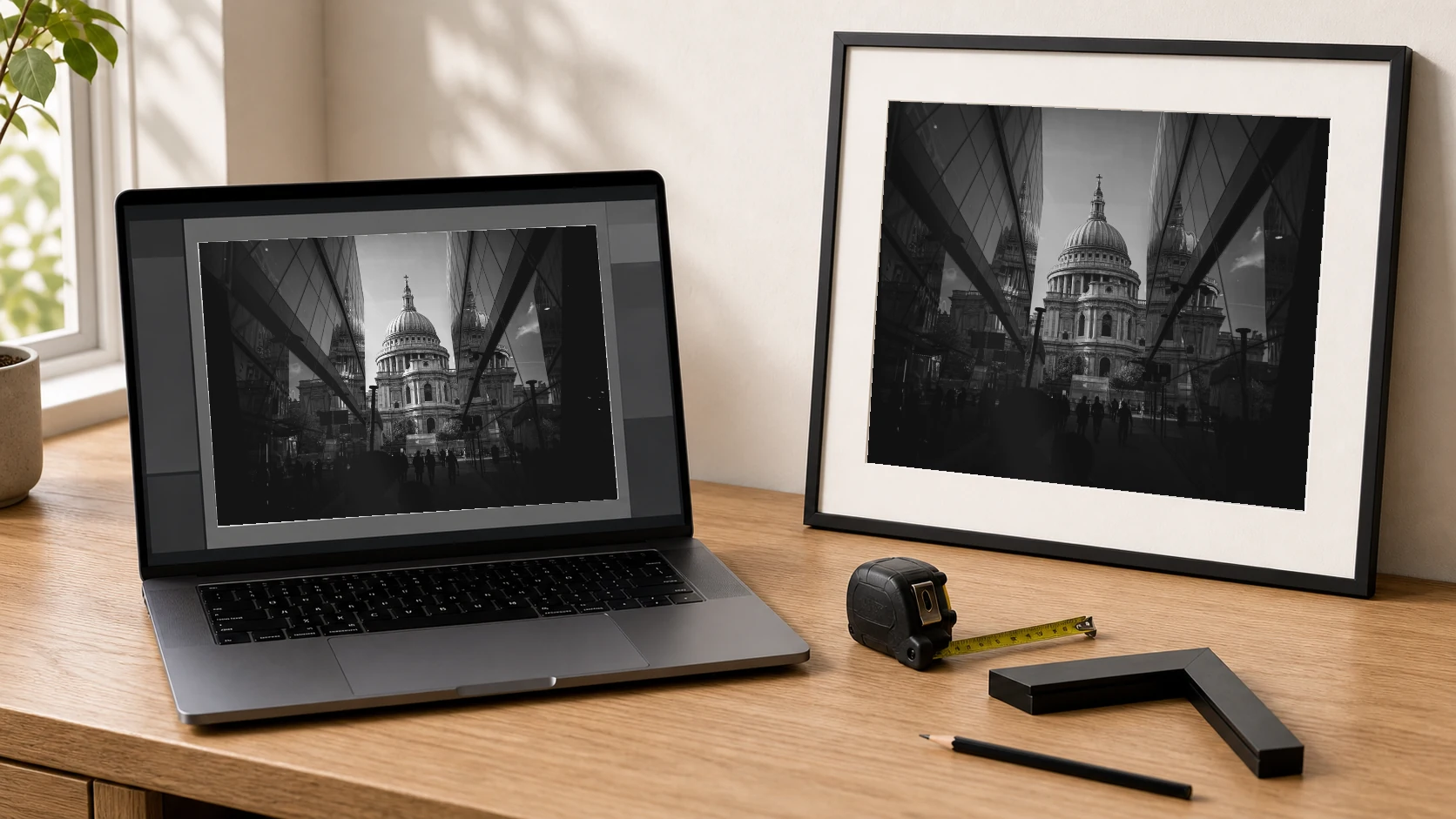
The screen helps you judge the photograph, but the tape measure and outer frame decide whether it will work in the room. Treat those as separate checks: first choose the image, then confirm the physical size and presentation.
Check the image source and description
An original photography listing should identify the work clearly enough that the subject is not invented by the buyer. Place names, weather and visible landmarks should agree with the photograph. Be cautious when generic copy claims rarity, investment value or a dramatic backstory without evidence.
A factual title and description are more useful. They help you decide whether a place carries personal meaning or whether the image works mainly through tone and composition. Othervariant product pages use current site photographs and name locations when they are known, so the decision can stay with the picture rather than a manufactured story.
Think about arrival before checkout
Before ordering, read the current delivery, returns and care information on the shop itself, especially for framed work. Do not rely on a search snippet or an old social post because fulfilment details can change.
Consider where the parcel can be received and how the work will be handled once it arrives. Prepare a clean surface before unwrapping, keep the image away from damp and direct heat, and leave protective material in place until the hanging position is ready. These are ordinary steps, but they protect the print and stop the first viewing from becoming a rushed practical problem.
Choose the work you want to keep looking at
The safest online purchase is not the image that looks most dramatic for five seconds. It is the one that keeps its structure when you view it small, rewards a closer look and fits the pace of the room. Revisit the product page on a different day and different screen.
If the same details still hold your attention, note why. A precise skyline may suit a focused room; open water or distant mountains may make a busy room breathe. That reason is more durable than matching a temporary accessory colour.
A final online buying check
Open the product page once more after measuring. Confirm that the selected image, size and presentation are the ones you intend to order, and take note of the full outer dimensions where available. Compare the photograph with the room in daylight and evening light rather than relying on a single screen view.
Check that the shop URL, product title and current information are consistent. If a detail is unclear, pause instead of filling the gap with an assumption. A careful final check is not hesitation. It is the part of online buying that replaces handling the work in person and keeps the decision attached to the actual photograph.
Two real print directions
These two current Othervariant photographs show how the decision can lead to different subjects without losing clarity. Use the product pages to compare the full image, available presentation and the shape of the work.
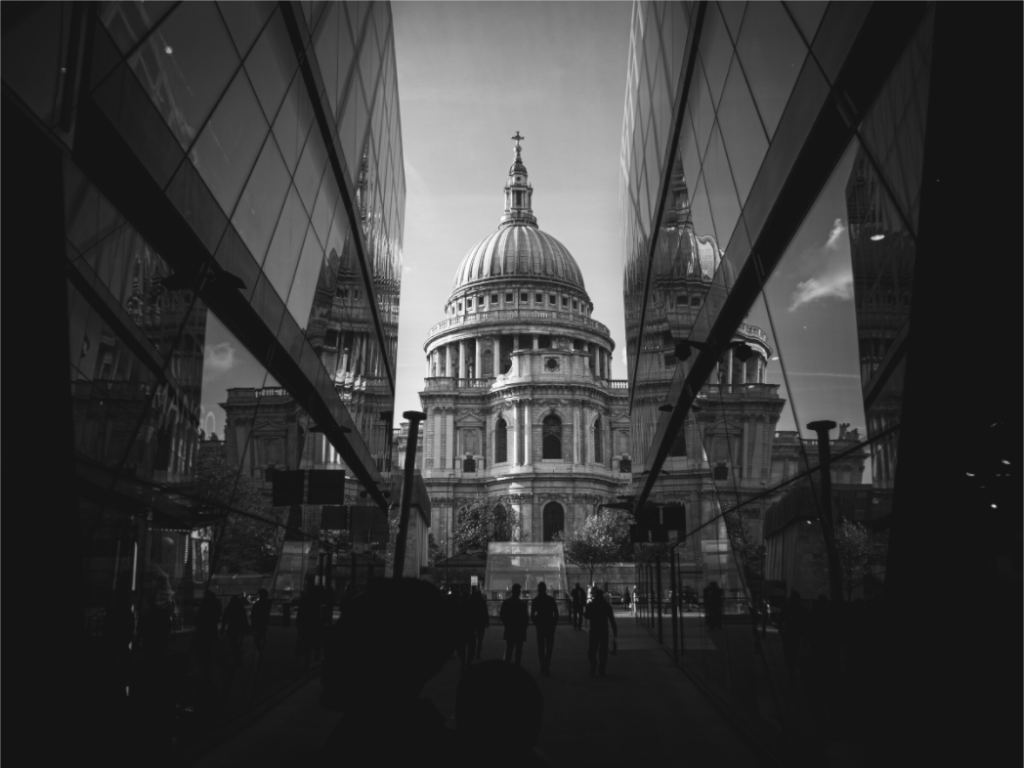
Symmetry & Stone — St. Paul's Cathedral Black and White Print
Central geometry and restrained monochrome detail make the photograph easy to assess at both room distance and close range.
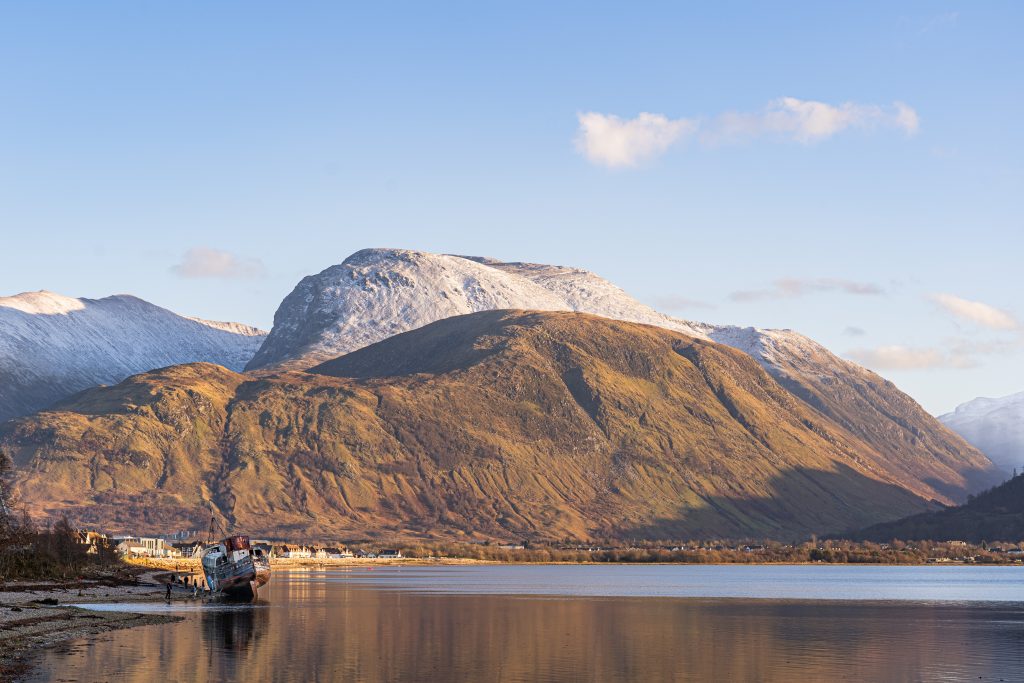
Ben Nevis and the Old Boat of Caol — Loch Linnhe Photography Print
Warm winter light, open water and a clearly named Highland location offer a very different, landscape-led direction.
For a broader decision sequence, read the guide to choosing photography art for your home before measuring the final position.
Choose the photograph before filling the wall
Compare the image, room and scale slowly. The current collection is available to browse without urgency.