
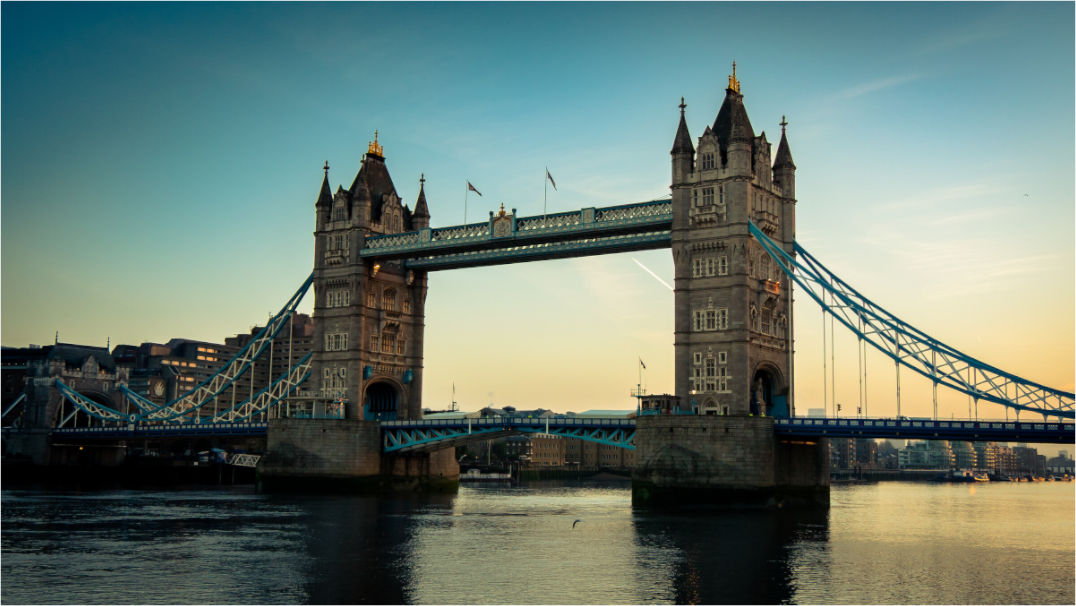
The best holiday photographs do not record every place you stood. They bring back the light, pace and small details that made the trip feel different from an ordinary week.
Good holiday photography starts with one simple decision: stop trying to photograph everything. Choose a few scenes that carry the character of the trip, then give yourself enough time to notice how the place actually looks.
That matters whether you are carrying a camera or using your phone. Better travel photos rarely come from more equipment. They come from paying attention before pressing the shutter.
Let the holiday lead the photography
A camera can quietly turn a trip into a list of pictures to collect. The famous view becomes an obligation. Lunch gets cold while somebody adjusts a setting. A walk becomes a search for the next location rather than part of the holiday.
Give the photography a smaller role. Pick one or two moments each day when you will slow down properly. For the rest of the time, keep the camera available but let the day unfold.
Use the light you have, not the light you imagined
Travel plans and good light do not always agree. You may reach a viewpoint at midday, find a street in deep shade, or arrive just as cloud removes the colour you expected.
Work with that version of the place. Hard midday light can make clean architectural shapes. Overcast weather is kind to details and quieter street scenes. Rain gives pavements reflections and separates warm windows from a cooler street.
If you can revisit one place near sunrise or sunset, do it. Low light gives buildings and landscapes more depth because it travels across surfaces instead of falling straight down. Our guide to golden hour photography explains why that warmth often survives especially well in a print.
Photograph the details that belong to the trip
Landmarks tell you where you went. Details tell you what being there felt like.
Look for the table beside a window, rain on a station platform, the colour of an old sign, the shape of a balcony, or the way evening light falls between two buildings. These pictures may seem minor while you are away. Later, they often hold more memory than the obvious view.
Try making a short sequence rather than asking one photograph to explain the whole holiday:
The wide view
Show enough of the place to establish where you are. Keep the frame simple and give the main subject room.
The human scale
A person, bicycle, doorway or lamp can show how large the scene is without becoming the whole subject.
The small memory
Photograph one detail that could only belong to that day. It will give the wider pictures context later.
Keep the composition quieter
Busy places produce busy frames. Before taking the picture, check what is competing with the subject. A bright sign at the edge, a bin behind somebody’s shoulder or half a car entering the frame can pull attention away from the part you cared about.
Move a step left or right. Lower the camera. Wait ten seconds. Small changes are usually more useful than a complicated camera setting.
Use roads, railings, shadows or the edge of a building to guide the eye, but do not force every object into the photograph. The practical ideas in our guide to composition in photography work just as well on a phone as they do on a larger camera.
Make the phone or camera ready before the moment
Check the lens for fingerprints. Make sure there is storage space. Decide whether you want normal still photographs or a mixture of stills and video before something happens.
On a phone, avoid digital zoom when you can move closer safely. Tap the main subject to set focus and exposure, then lower the brightness slightly if the sky is losing detail. On a camera, one familiar lens is often better on holiday than several lenses you keep swapping.
The aim is not technical perfection. It is to remove the small delays that make you miss the expression, light or movement you noticed.
Choose the photographs after the holiday
Do not judge everything on the same evening. Travel makes ordinary pictures feel important because the day is still fresh. Leave the files for a little while, then choose a small group that works together.
Start with the photographs that bring back a specific feeling without needing an explanation. Check whether the composition still reads at a distance and whether the file has enough detail for the size you want. The article How Do You Know If a Photo Is Worth Printing? gives a calmer way to make that decision.
Two city-break photographs that hold onto the light
These London photographs show two different travel-photo approaches. One records the broad structure of a landmark; the other notices a smaller object carrying the atmosphere of the evening.
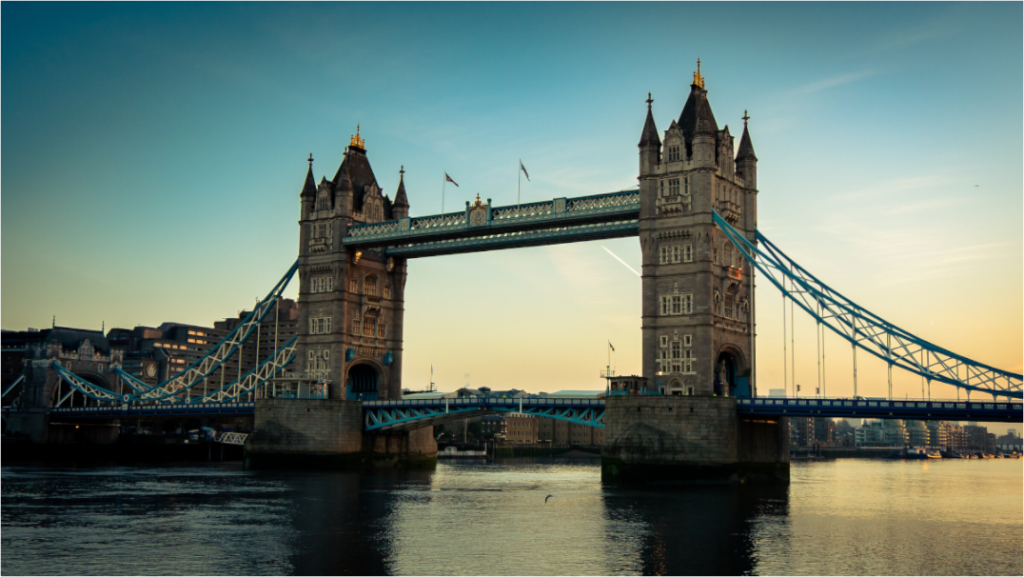
Tower Bridge at Golden Hour
A wide London river view built around warm evening light, clear structure and enough space around the bridge.
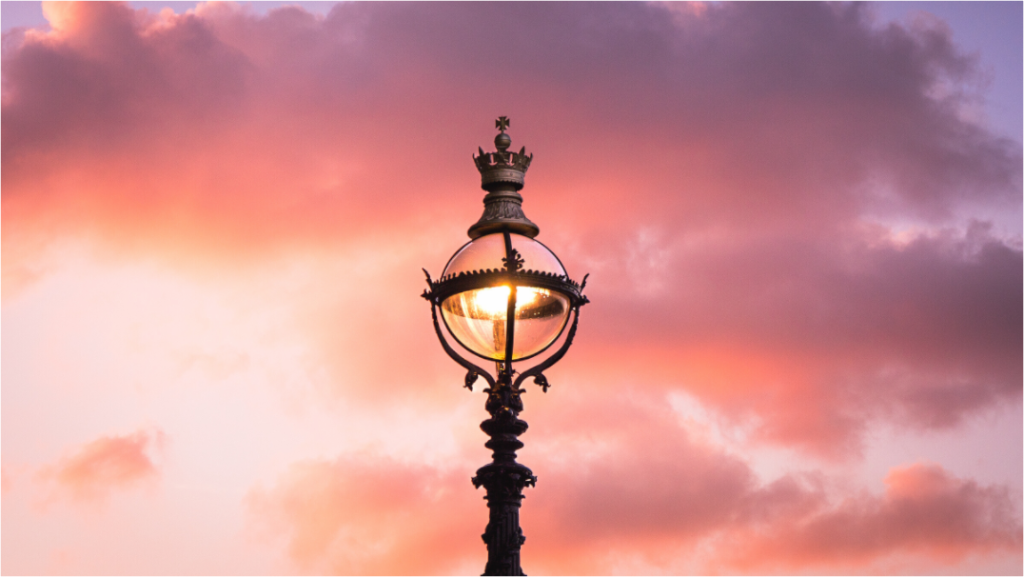
Crown Lamp at Sunset
A smaller South Bank detail where the shape of the lamp and the last warm colour carry the memory of the place.
Bring home fewer, better photographs
A useful holiday photograph does more than prove you visited. It keeps one part of the experience clear enough to return to later.