
Shutter speed is one of the first camera settings people learn, but it is not only a technical control. It changes whether a photograph feels still, sharp, rushed, quiet, or full of movement.
In simple terms, shutter speed is how long the camera lets light hit the sensor.
A fast shutter speed freezes a moment. A slow shutter speed lets movement show. That is the useful version. The setting controls light, but it also controls time.
That matters when you are learning photography. It also matters when you are choosing a print for a wall. Two photographs can show the same city, the same street, or the same coastline, but feel completely different because of how time was handled.
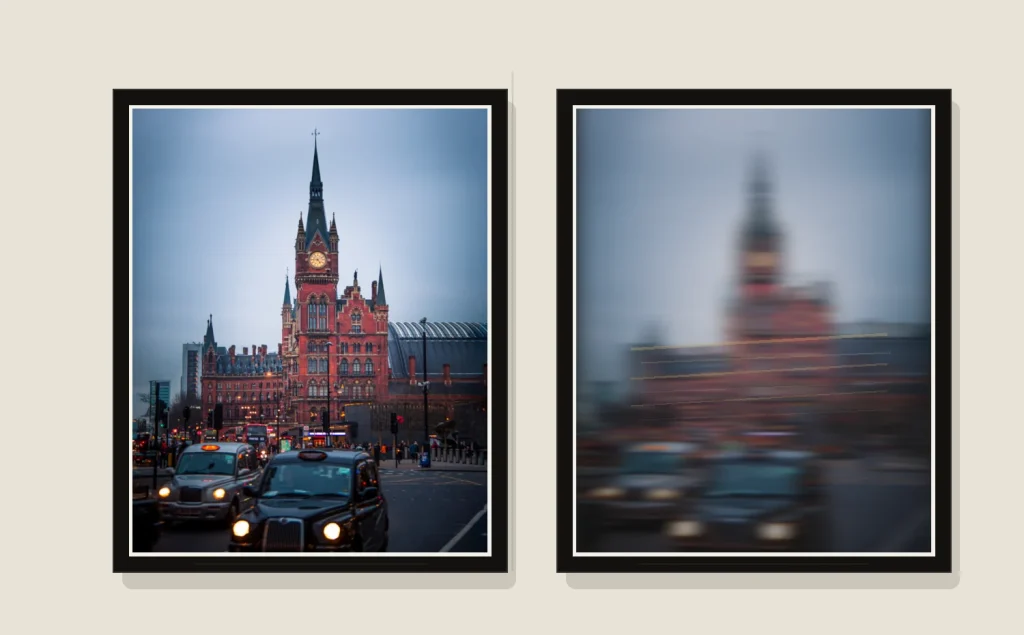
The comparison below uses the same London image as a simple visual aid. It is not presented as a second original exposure; it shows the kind of feeling shift a faster or slower shutter can create.
What shutter speed actually means
Most shutter speeds are shown as fractions of a second: 1/1000, 1/250, 1/60, 1/15. The larger the bottom number, the faster the shutter.
So 1/1000 is very quick. It can freeze a bird, a wave, or a person mid-step. 1/30 is much slower. It can still work, but movement may start to blur. One second or longer becomes a deliberate long exposure, usually with a tripod.
That is why shutter speed is part of the exposure triangle with aperture and ISO. Aperture changes how much light comes through the lens. ISO changes how sensitive the camera is to light. Shutter speed changes how long the light is allowed in.
For a more technical explanation, Nikon has a useful beginner guide to understanding shutter speed. For this article, the important part is how the choice changes the feeling of the finished image.
Fast shutter speed: clean, sharp, immediate
A fast shutter speed makes a photograph feel precise. It catches the exact shape of the moment. Rain in the air, a bird above water, a person crossing the street, a bus passing a landmark. Everything holds still.
This can be useful in wall art when the subject already has enough energy. A London scene with strong architecture does not always need visible motion. Sometimes the best choice is to let the line, shape, and light do the work.
That is one reason architectural photography often feels strong as a print. The viewer can read the structure quickly. The image does not ask for much explanation. It has presence from across the room.
Slow shutter speed: movement, softness, atmosphere
A slow shutter speed does something different. It lets the world move while the camera watches.
Water turns softer. Clouds stretch. Car lights become trails. People become ghosts. A street starts to feel less like a frozen document and more like a memory of being there.
This is why slow shutter speed and long exposure photography often work well for atmospheric prints. They remove some of the hard detail and leave rhythm behind. The image can feel calmer, even when the scene was busy.
A dusk city photograph, for example, can hold both things at once: the fixed shape of buildings and the softer movement of light. That mix suits interiors because the print has energy without feeling noisy.
Choose sharper images when the room needs structure
Architecture, skyline silhouettes, bridges, and strong black-and-white prints work well when you want a room to feel more composed.
Choose slower-feeling images when the room needs calm
Seascapes, dusk scenes, reflections, and softer light can make a wall feel less hard, especially in bedrooms, hallways, and quiet corners.
Why shutter speed changes how a print feels
When a photograph becomes a print, small choices become more obvious. A phone screen makes everything disposable. A print asks you to live with the image.
Fast shutter speed gives you clarity. You see edges. You see expressions. You see the exact geometry of a place. In the comparison image above, that is the left-hand feeling: the scene has structure. That can suit a clean interior, a work space, or a room where the art needs to anchor the wall.
Slow shutter speed gives you atmosphere. It lets the eye stay longer. In the comparison image, the right-hand side is deliberately softened to show that effect. It can make a city feel cinematic, a coastline feel quieter, or a familiar landmark feel less literal.
| Shutter choice | What it does | How it feels as wall art |
|---|---|---|
| Fast shutter speed | Freezes motion and keeps detail sharp | Clean, direct, graphic, structured |
| Moderate shutter speed | Keeps most detail but allows small movement | Natural, human, street-level |
| Slow shutter speed | Shows blur, trails, or softened water | Atmospheric, calm, cinematic |
What to look for when buying photography prints
You do not need to know the exact shutter speed used to choose a print. Most buyers will never see that number. But you can still read the effect.
Ask one simple question: does the image feel still, or does it feel like time is passing?
If the room already has a lot happening, a quieter image may work better. A softer skyline, a dusk scene, or a coastal print can give the wall breathing space. If the room feels plain, a sharper architectural print can add shape and weight.
For London prints, this is especially useful. A landmark can easily become obvious. The shutter choice, light, weather, and framing decide whether it feels like a tourist view or something more personal.
Compare a structured station scene like St. Pancras at Quarter to Five with the glow of City Glow at Dusk. Both are London. One leans into architecture and evening detail. The other leans into light, colour, and atmosphere.
If you want the technical side of this, read the companion guide on exposure in photography. If you are choosing by room instead of camera settings, the London print collection is the simpler place to start.
Look for the feeling first. Sharpness, blur, light, and timing only matter because they change how the photograph lives on the wall.
Prints mentioned in this article
A quick visual reference for the Othervariant prints linked above.
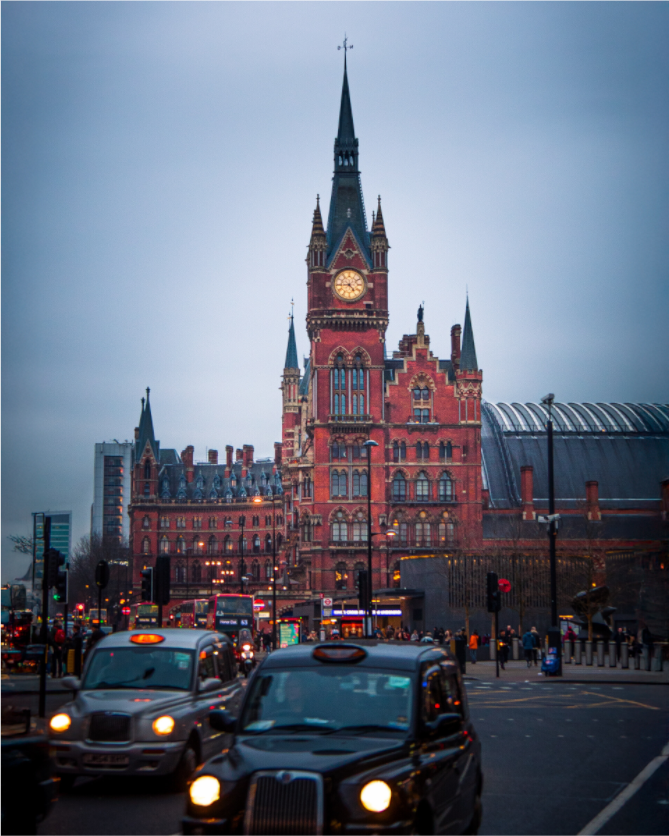
St. Pancras at Quarter to Five
Othervariant london available in multiple sizes and configurations.
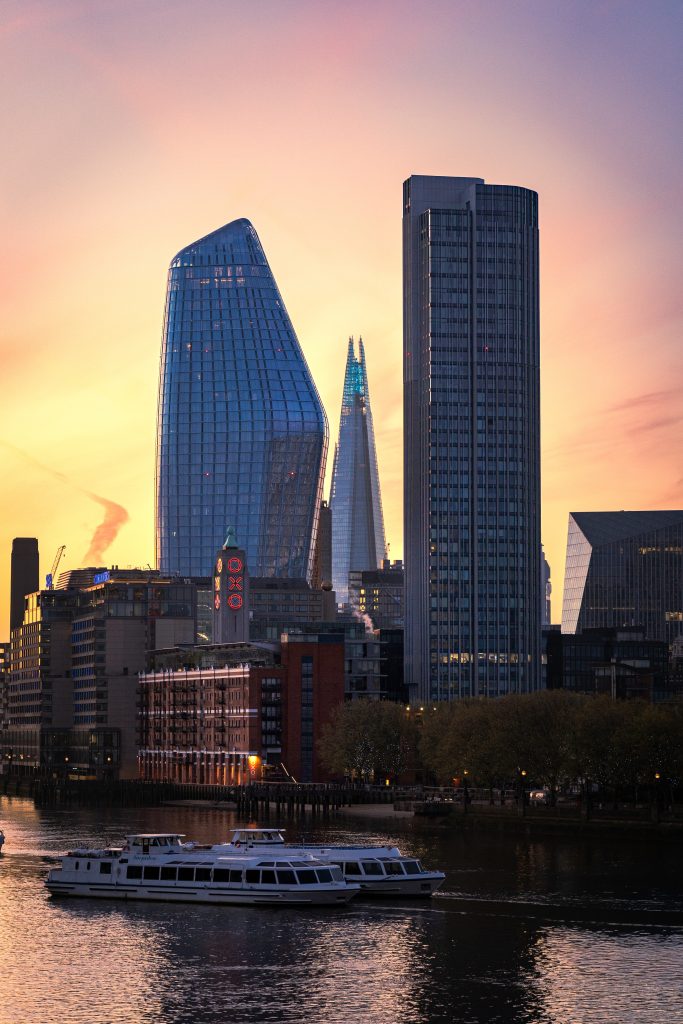
City Glow at Dusk
A warm London skyline photography print at dusk, with glass towers, river light, The Shard and an orange evening sky over the city.