
Focal length is one of the quiet reasons a photograph feels calm, compressed, open, dramatic, or slightly uneasy. It is a camera setting, but it becomes a design decision when the image is printed and hung on a wall.
The simple version: focal length describes how wide or narrow a lens sees.
A short focal length, often called wide angle, takes in more of the scene. It can make foreground objects feel larger and background objects feel further away. A longer focal length takes in a narrower slice of the scene. It can make distances feel flatter, tighter, and more compressed.
The most honest way to show this is with a real Othervariant photograph, not an invented lens test. The example below uses the original Gherkin image from the shop beside a tighter crop from the same file. It does not recreate true lens compression, which would require photographing the scene again from a different distance. But it does show the first thing focal length changes: how much of the world enters the frame.
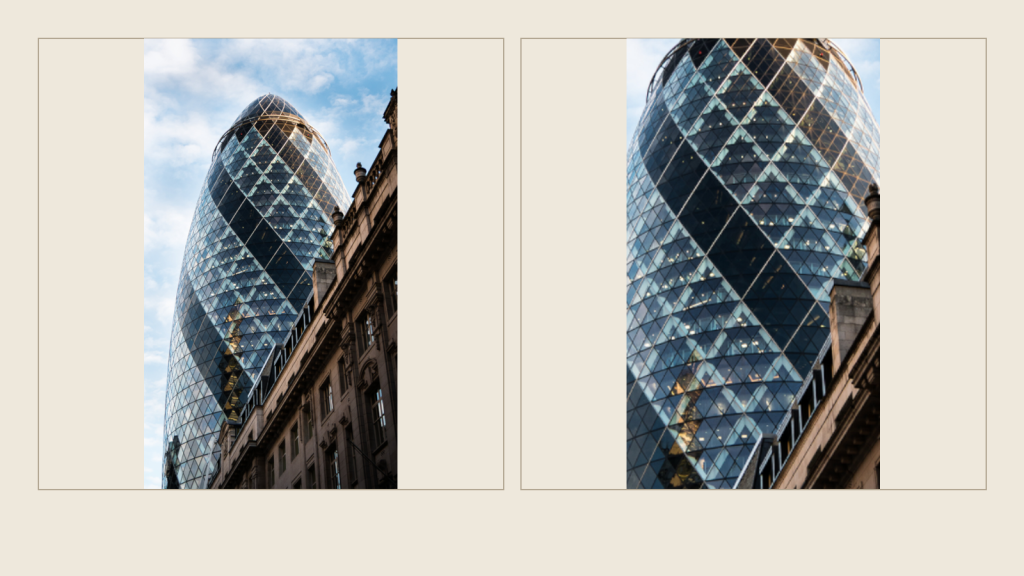
This is why focal length matters so much in architectural photography. A wide lens can make a building feel towering and close. A longer lens can make layers of windows, bridges, towers, and streets sit together in a quieter way. Neither is automatically better. They simply tell a different truth about the same place.
What is focal length in photography?
Focal length is measured in millimetres. You will see numbers such as 24mm, 35mm, 50mm, 85mm, or 200mm written on lenses or in photo metadata.
A 24mm photograph of a street can include the pavement, sky, building edges, people, signs, and space around the subject. A 100mm photograph from further back may show the same building with less surrounding clutter and stronger layers.
A crop is not the same thing as using a longer lens. Cropping narrows the frame; focal length and camera position can also change how near and far objects relate. For choosing wall art, the practical question is similar: does the image feel open and spatial, or tighter and more graphic?
For prints, you are not buying a camera setting. You are choosing how the world has been arranged inside the frame.
Why wide-angle photographs feel dramatic
Wide focal lengths are useful when the photographer wants scale, closeness, and energy.
In London architecture, a wide photograph can make glass towers feel taller. It can pull the viewer into a bridge, a station, or a street corner. It can show the whole structure rather than one detail.
Used well, this gives a print presence. It works in rooms that can handle a stronger image: a hallway, office, studio, or living room wall where the print is allowed to lead.
Used badly, it can feel noisy: too much foreground, too much sky, and too many lines fighting for attention. Wide-angle architecture also needs care, because buildings can lean or stretch if the camera is tilted too aggressively.
Why longer focal lengths feel calmer
Longer focal lengths tend to simplify.
They remove some of the surroundings and make the frame feel more deliberate. In architecture, they can compress layers: a tower behind a bridge, a dome behind a street, repeated windows across a skyline.
This is often why a longer-lens print can feel calm even when the subject is busy. The photographer has stepped back and chosen a smaller part of the world.
For wall art, that can be useful. A room does not always need the loudest version of a landmark. Sometimes it needs structure, rhythm, and a quieter shape that still holds attention from across the room.
Wide focal lengths
Good for scale, drama, streets, bridges, interiors, and images that make the viewer feel physically close to the subject.
Normal focal lengths
Good for natural perspective. Often useful when the photograph should feel close to how a person might remember standing there.
Longer focal lengths
Good for compression, order, skyline layers, repeated shapes, and quieter architectural details.
What this means when choosing a print
You do not need to know the exact lens used to choose a good print. But you can ask what the image is doing.
If it makes the place feel large and immediate, it may suit a stronger wall or a room that needs energy. If it flattens the scene into shapes, lines, and layers, it may work better in a quieter room. If it feels natural, like a memory of being there, it can support the room without fighting it.
| If the photograph feels… | It may work best for… |
|---|---|
| Tall, close, dramatic | Hallways, offices, feature walls, modern interiors |
| Layered, compressed, graphic | Minimal rooms, black-and-white schemes, calmer spaces |
| Open, airy, spacious | Bedrooms, living rooms, rooms that need visual breathing space |
| Balanced and natural | Most rooms, especially where the print should support rather than dominate |
The Gherkin London architecture print is a useful example of strong architectural shape. It is not just a record of a building. It is about form, repetition, and how the city can become almost sculptural.
The Tower Bridge Steel print does something different. It uses structure and distance to make a familiar landmark feel more like architectural design than a postcard.
Focal length is not a quality score
A longer lens does not make a photograph more serious. A wide lens does not make it more creative. These are tools, not rankings.
The better question is: does the perspective serve the image?
For a print, the answer usually shows up quickly. Step back from the image. Squint a little. Ignore the subject for a moment and look at the weight of the frame. Are the shapes balanced? Does the photograph still work from across the room? Does it feel like something you would want to live with after the first impression fades?
That last question matters more than the lens number.
If you want the technical foundation, Nikon has a clear explainer on understanding focal length. But for choosing wall art, keep the practical version: focal length changes how close, spacious, compressed, or calm a photograph feels.
How it connects to London architecture prints
London is full of subjects that can become generic very quickly. Big Ben. Tower Bridge. The Shard. St. Paul’s. The Gherkin.
The difference is rarely the landmark itself. It is the distance, light, timing, weather, and perspective. Focal length sits quietly inside that mix.
A good London architecture photography print should make a familiar place feel seen again. Sometimes that means standing close and letting the lines rise. Sometimes it means stepping back until the city becomes layers.
That is also why the London print collection works best as a set of different perspectives, not a row of obvious landmarks photographed the same way.
Looking for a London print with structure rather than postcard energy?
Prints mentioned in this article
A quick visual reference for the Othervariant prints linked above.
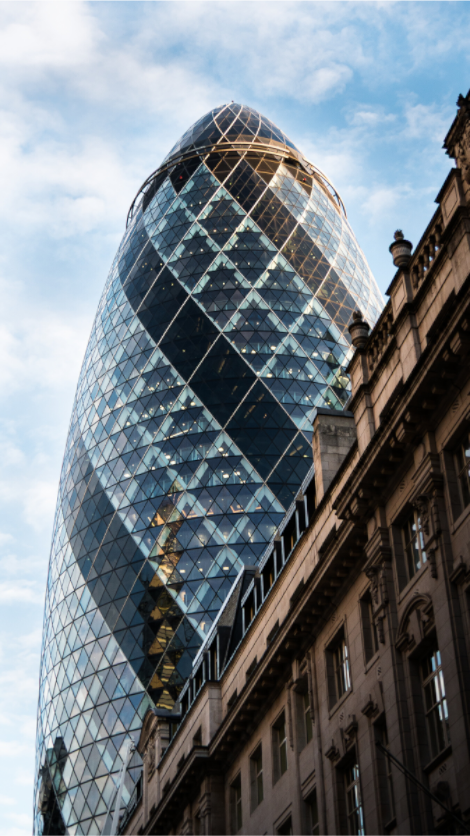
The Gherkin
Othervariant london available in multiple sizes and configurations.
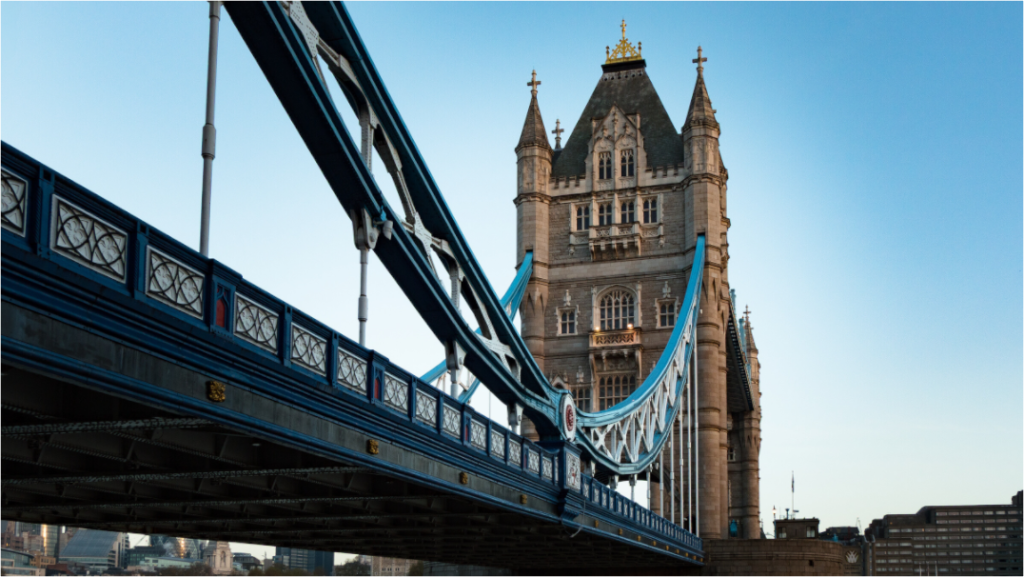
Tower Bridge Steel
Othervariant london available in multiple sizes and configurations.