
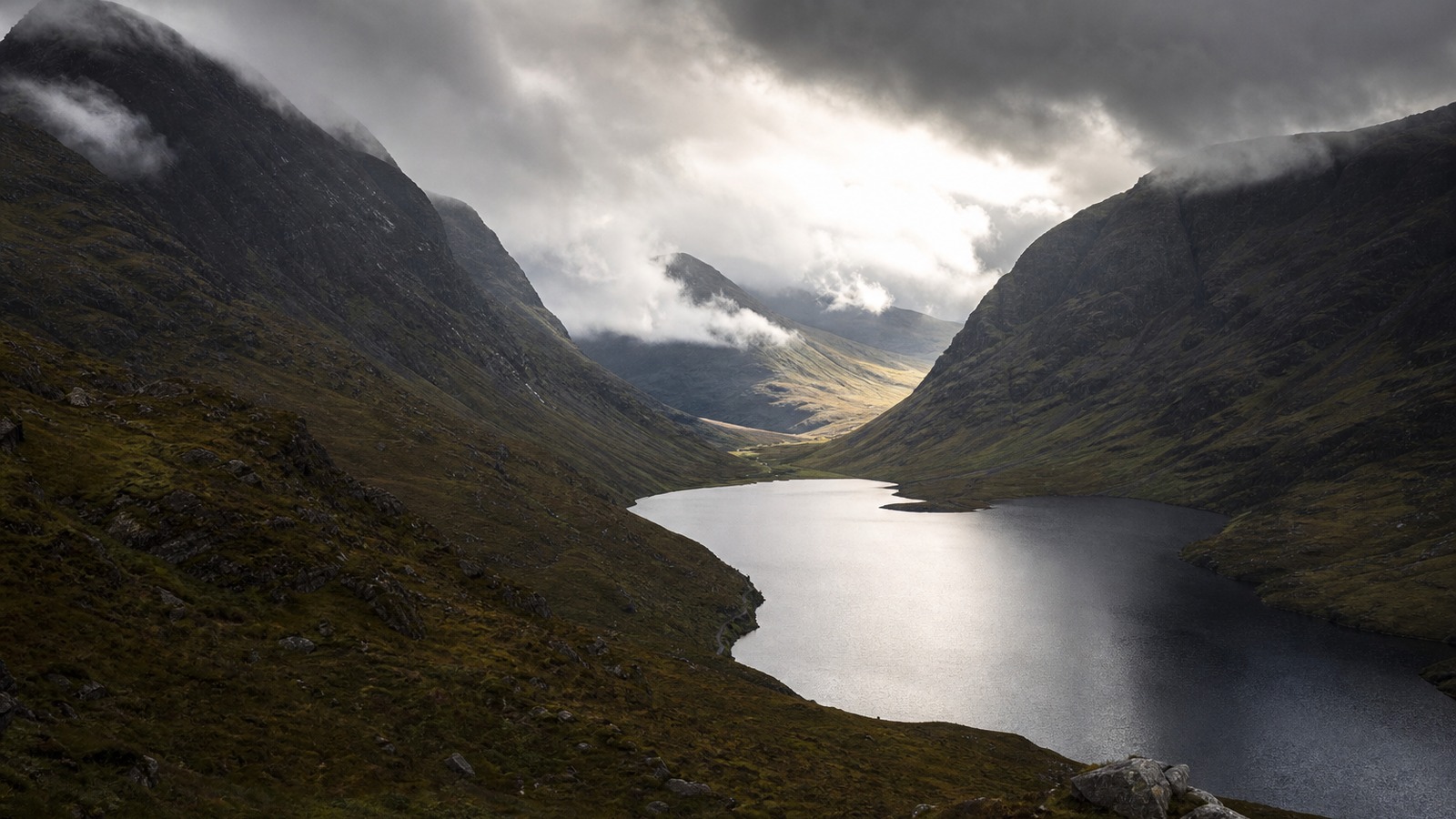
The Highlands do not reward convenience. That is why the best photographs from there still feel earned.
The Highlands do not reward convenience.
That is why the best photographs from there still feel earned.
Everything is further away than it looks. The weather changes without asking. The light can disappear for three days, then become perfect for eight minutes while you are still trying to find somewhere safe to park.
That is the bargain.
The Scottish Highlands are difficult, and the difficulty is part of why the images matter.
Why the Highlands are different
Many landscapes are beautiful. The Highlands feel older than beautiful.
That is not romantic language. It is visual structure.
The mountains are rough. The glens are deep. The roads run through huge empty spaces. Weather does not sit politely in the background. It becomes the subject.
For photography, that gives you scale and atmosphere before you even choose a composition.
For prints, it gives you weight.
A good Highland image can hold a room because the landscape already has presence.
Glencoe beyond the obvious viewpoint
Glencoe is photographed constantly for a reason.
It is dramatic from the road. That is also the problem.
Most people stop where everyone else stops. They photograph the same view, from the same layby, with the same mountain in the same position.
The better Glencoe images usually require walking away from the obvious frame.
Not necessarily far. Just enough to change the relationship with the valley.
The Lost Valley gives you a different kind of image: enclosed, older, more physical. Rannoch Moor looking toward Buachaille Etive Mor gives you space and shape. Smaller details — wet rock, stream lines, cloud catching a ridge — can be stronger than the full postcard view.
Best conditions: Autumn and winter. Low cloud, broken light, snow on the tops, or storm systems moving through.
Print potential: Very high, especially in muted colour or black and white. Glencoe has enough structure to work large.
Rannoch Moor
Rannoch Moor is not dramatic in the obvious way.
That is what makes it interesting.
It is flat, open and strange. Lochans, bog, lone trees, railway lines, big sky. The scale is quiet until you stand in it for a while.
Photographically, Rannoch Moor is about restraint.
A single tree can carry the frame. A reflection can do more than a mountain. Empty space becomes the point.
This is where you learn that not every Highland image needs a peak in it.
Best conditions: Still dawn, frost, low mist, winter blue light.
Print potential: Excellent for minimal Scottish landscape prints. Rannoch images suit calm interiors because they have space around them.
The Isle of Skye
Skye is famous enough to be difficult.
The Quiraing, Old Man of Storr, Fairy Pools and Neist Point have all been photographed endlessly. That does not make them bad locations. It just means the obvious photograph is already taken.
To make a stronger Skye image, you usually need one of three things:
- Better conditions than most people wait for
- A less obvious position
- A simpler frame within the famous landscape
The Quiraing in clear weather is impressive. The Quiraing in low cloud, with rock formations appearing and disappearing, is more honest.
Skye is not a clean place. It is wet, rough, windy and strange. The photographs should not make it look too tidy.
Best conditions: Low cloud, passing rain, early light, winter emptiness.
Print potential: Strong, but choose carefully. Skye prints work best when they avoid looking like tourist-board images.
Torridon and the far northwest
Torridon is where the Highlands start to feel properly remote.
The mountains are older, darker, less polished. Liathach, Beinn Eighe, Loch Clair, the red sandstone, the long roads west — everything feels more serious.
This is one of the best areas in Scotland for landscape photography because it still feels underused compared with Glencoe and Skye.
The light on Torridonian sandstone can be extraordinary. In low sun, the mountains shift from red to dark purple to almost black. Reflections in Loch Clair can make a simple composition feel complete.
Best conditions: Spring and autumn for manageable weather and strong light. Winter if you are prepared.
Print potential: Very high. Torridon images often have natural depth and colour without needing heavy editing.
Weather is not the enemy
The Highlands make no sense if you wait for perfect weather.
Perfect weather often makes weaker images anyway.
Clear blue skies flatten the drama. They remove the scale. They make ancient places look decorative.
Cloud gives the mountains size. Rain gives the rock weight. Mist separates layers. Broken light creates the photograph.
The trick is not to avoid bad weather.
It is to stay ready inside it.
Watch where the light might break. Watch the edge of cloud. Watch reflections when the wind drops. Look behind you when everyone is facing the obvious view.
Highland photography is often a patience test disguised as a landscape trip.
What makes a Highland photograph worth printing
Not every good travel photograph becomes a good print.
A print needs structure, mood and enough simplicity to live with.
The strongest Highland prints usually have at least one of these:
- A clear mountain shape
- Strong weather atmosphere
- Reflected light or water
- A simple foreground leading into scale
- Muted colour that will not tire quickly
- Enough shadow to create depth
Avoid images that depend only on recognisable locations. Recognition helps, but it is not enough.
A print should work even if the viewer does not know where it was taken.
The feeling has to land first.
Editing Highland images
Highland photographs do not need to be made louder.
They need to be handled carefully.
The landscape already has drama. Push the colour too hard and it starts to feel false. Lift every shadow and the weight disappears. Warm the image too much and the cold air leaves the frame.
Let Scotland look like Scotland.
Grey is allowed. Cold is allowed. Darkness is allowed.
That is often where the atmosphere lives.
Mountain landscape prints from The Other Variant
If Highland landscapes appeal because of distance, weather and scale, start with mountain and nature prints that carry the same sense of atmosphere and weight.
Print mentioned in this article
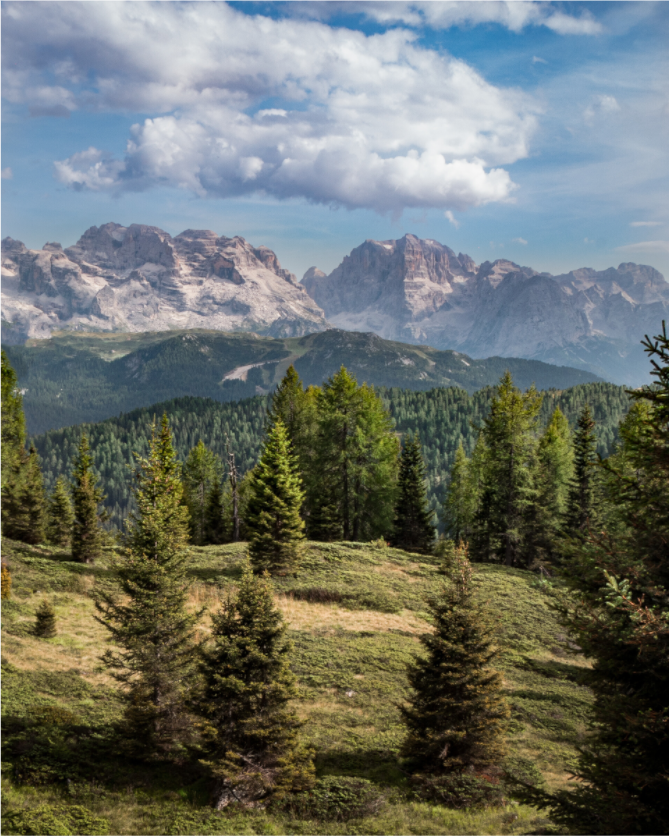
A quick visual reference for the Othervariant print linked above.
Val di Sole
Othervariant nature available in multiple sizes and configurations.