
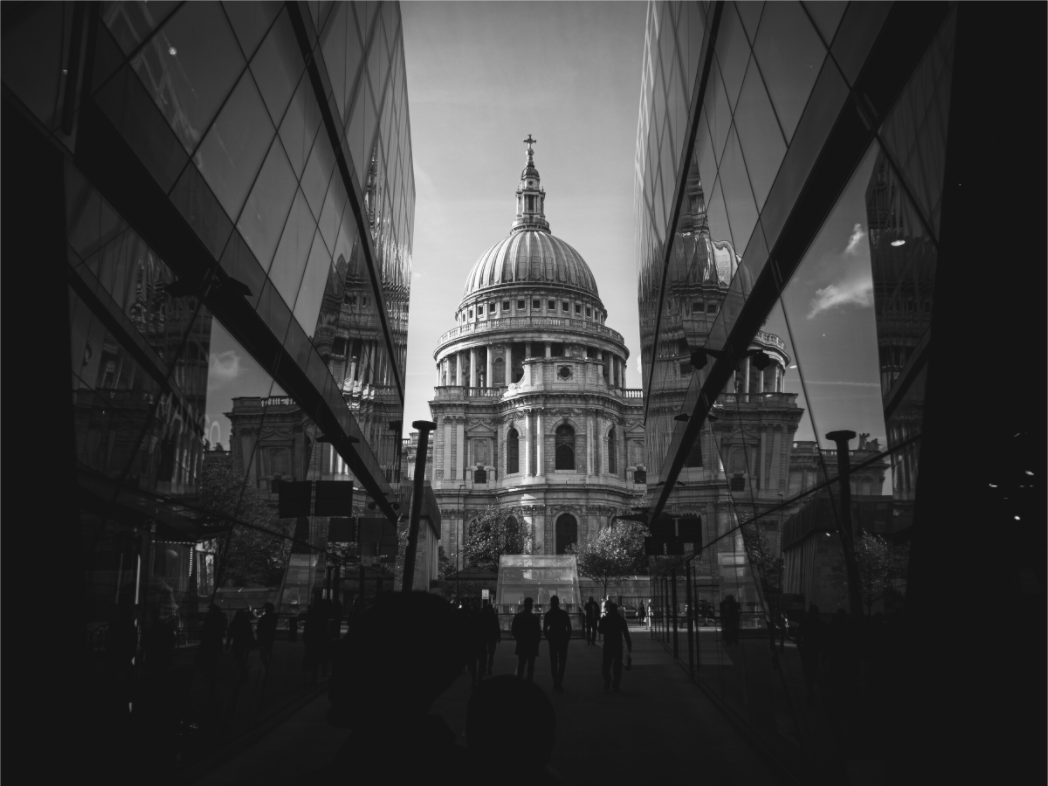
The right photography print size is less about filling space and more about proportion. A print should feel intentional from across the room, but not so dominant that it fights the furniture, light, or atmosphere around it.
Start with the wall, not the print
Before choosing a print size, look at the wall as a composition. Is the artwork going above a sofa, beside a reading chair, in a hallway, or on a narrow wall between doors? A print that feels generous above a sofa may feel too large in a corridor. A small print that looks delicate in a hallway may disappear on a wide living-room wall.
For a sofa wall, avoid going too small
The most common mistake is choosing a print that is technically beautiful but visually timid. If the print sits above a sofa and has too much empty wall around it, it can look accidental. A larger single print, or a pair of related prints, usually feels more finished.
Structured London prints such as Symmetry & Stone or The Shard from Sky Garden can work well here because the composition has enough architecture to hold a larger size.
Small rooms
Choose one calm print with negative space rather than a busy gallery wall. The room will feel less crowded.
Large walls
Use one larger statement print, a pair, or a restrained three-print set. Keep spacing consistent.
Hallways
Vertical or narrower prints often work better. Choose images with clear shapes that read while walking past.
One large print or several smaller ones?
One larger print feels quieter and more premium. It suits minimal interiors, darker rooms, and spaces where you want the photograph to become the anchor. Several smaller prints can work well when the subjects are connected by location, mood, or editing style, but they need discipline. Random image sizes and unrelated colours can make a wall feel busy.
Match the image mood to the room
Black and white photography often suits calmer rooms because it removes colour conflict. Colour prints can work beautifully when the palette already matches the interior. For example, a dusk image can add warmth to a darker room, while a monochrome architectural print can make a minimal space feel more deliberate.
Think about viewing distance
If the print will mostly be seen from across the room, choose a composition with strong shapes. Fine detail matters less at distance. If it will hang in a hallway or reading corner, smaller details can reward closer viewing.
| Space | Useful approach |
|---|---|
| Above sofa | One larger print or two related prints, roughly two-thirds of sofa width. |
| Small flat | Calm image, restrained palette, enough breathing room. |
| Hallway | Strong verticals, clean contrast, less visual clutter. |
| Home office | Structured architecture or landscape with depth, not too distracting. |
When in doubt, choose calmer and slightly larger
A print that is a little larger than expected often feels more resolved. A print that is too small can make even good photography look decorative rather than intentional. The safest choice is usually a quiet, well-structured image with enough scale to hold the wall.
Browse photography prints for living rooms
Start with London architecture, black and white studies, and calm landscape prints selected with wall scale in mind.
Prints mentioned in this article
A quick visual reference for the Othervariant prints linked above.
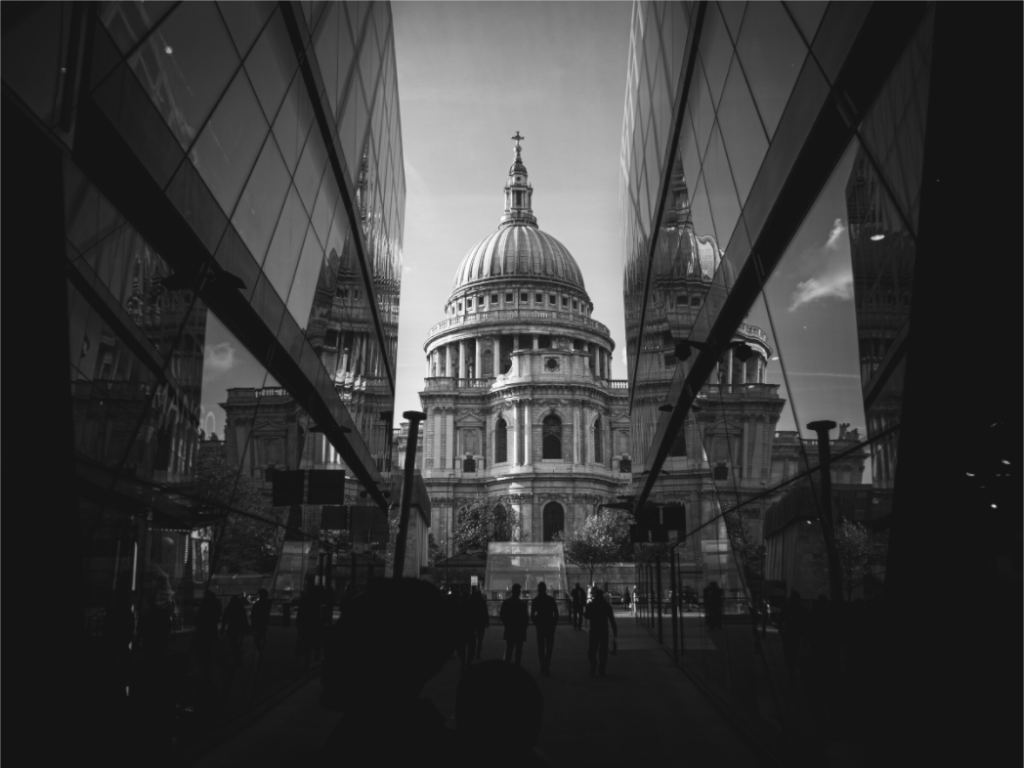
Symmetry & Stone
Othervariant black and white, london available in multiple sizes and configurations.
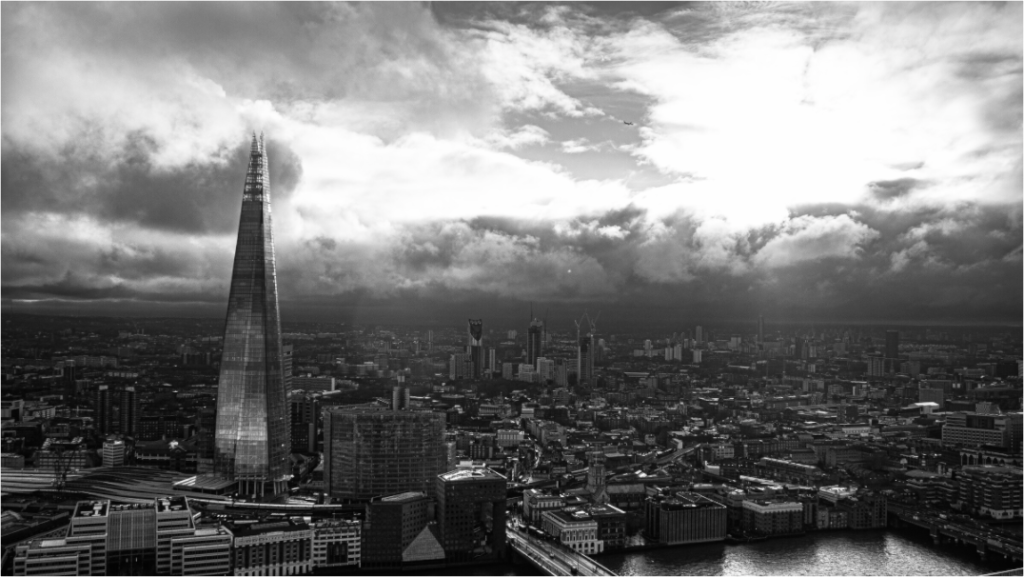
The Shard from Sky Garden
Othervariant london available in multiple sizes and configurations.