
Nature wall art works best in a bedroom when it gives the room somewhere quiet to land. The right landscape photograph should feel calm, spacious and lived with, not like decoration added because a wall was empty.
Bedrooms are slightly different from living rooms.
A living room can take a stronger image. More contrast. More scale. More architectural weight. A bedroom usually asks for something softer. Not necessarily pale or bland, but quieter in the way it holds attention.
That is why nature photography often works so well above a bed, beside a reading chair, or on the wall opposite the door. It can bring distance into a small room. It can make a plain wall feel less hard. It can add mood without making the space feel busy.
Why nature wall art suits bedrooms
Most bedrooms already have plenty of useful objects competing for space: lamps, bedding, wardrobes, curtains, books, chargers, small tables. The artwork does not need to add more noise.
Nature wall art can do the opposite. A mountain, coast, tree line or open sky gives the eye a longer view. Even if the room is small, the photograph can make it feel less closed in.
The best bedroom prints usually have one of three qualities: space, softness or stillness.
Look for distance, not just subject
A nature print does not become calming just because it contains a mountain or a beach. Composition matters.
Images with distance tend to work well in bedrooms because they create visual breathing room. A path into the frame, a low horizon, a wide sky, a quiet shoreline, or a mountain set back from the foreground can all make the wall feel more open.
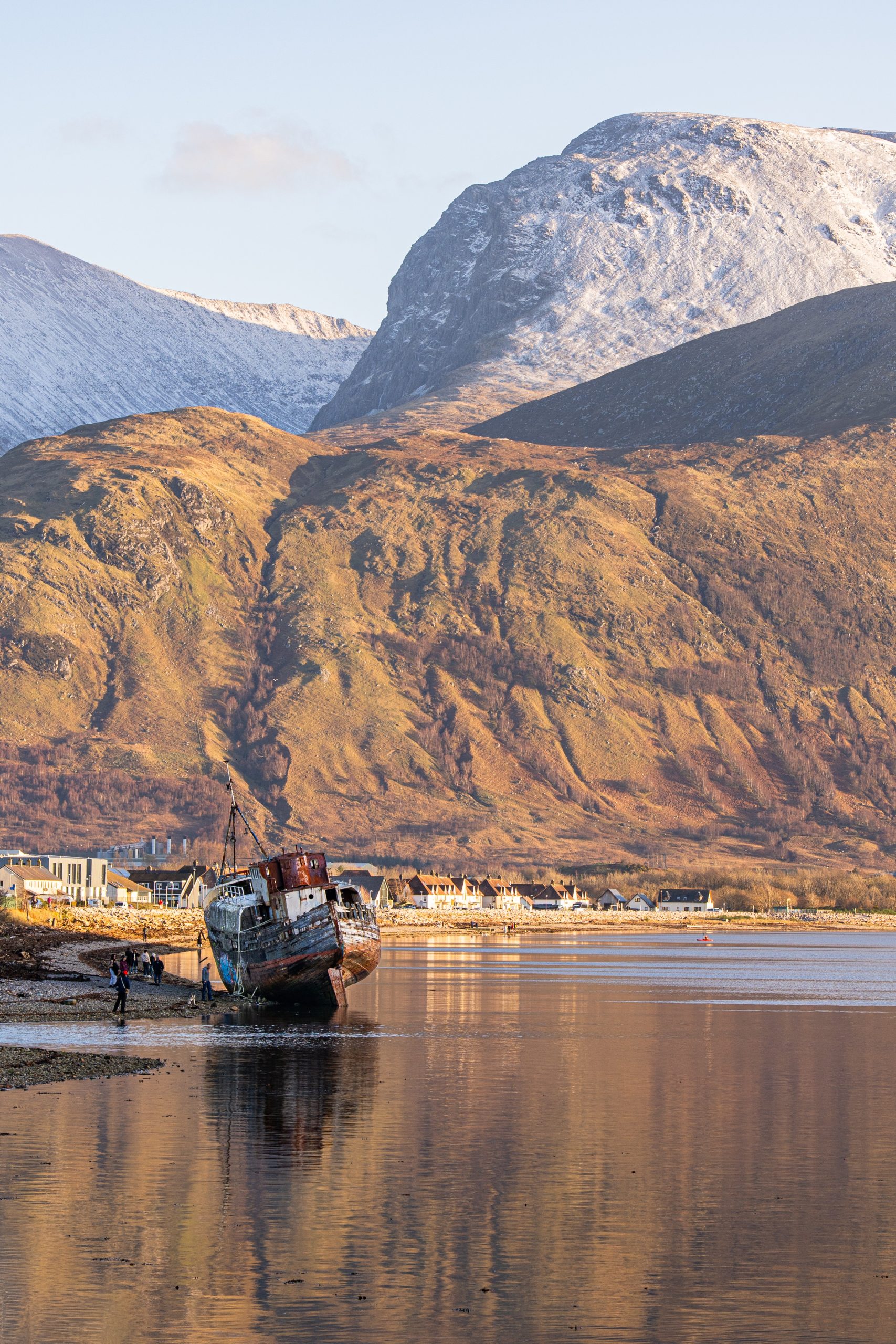
In Old Boat Below Ben Nevis, the boat gives the eye something human and still. The mountain and loch do the rest. It feels quiet because the subject is grounded, but the landscape carries distance behind it.
Keep the colour palette quiet
Bedroom wall art does not need to match the bedding exactly. It only needs to sit comfortably with the room’s existing temperature.
Warm neutrals, pale timber, cream walls and linen usually work well with soft gold, misty blue, muted green and low-contrast greys. Darker rooms can take deeper tones, especially if the image has enough space inside it.
Be careful with highly saturated greens, electric sunsets or very sharp blues. They can look beautiful online and still feel loud at night. For a bedroom, muted colour often has more staying power.
For calm bedrooms
Choose mist, soft water, winter light, pale sky, gentle contrast and subjects with room around them.
For darker rooms
Use deeper landscapes or black and white photography, but keep the composition simple so it does not feel heavy.
For small bedrooms
Pick images with distance and horizon. They can make a wall feel more open without adding clutter.
Choose one strong print instead of many small ones
Gallery walls can work in bedrooms, but they often bring a more active, collected feeling. That may be right for a hallway or studio wall. Above a bed, one larger print is usually calmer.
A single landscape print gives the room a focal point without creating a lot of separate edges and frames. It also lets the photograph breathe. If the image has quiet detail, scale helps it feel intentional rather than decorative.
As a rough guide, a print above a bed often works when it is around two-thirds the width of the headboard. It does not need to fill the whole wall. Leaving space around the frame is part of what makes the room feel relaxed.
Think about the time of day
A bedroom print is seen differently in the morning and evening.
Morning light may make subtle tones feel clearer. Evening lamplight can make darker prints more intimate, but it can also flatten very low-contrast images. If the room is usually dim, choose a print with a clear subject and enough tonal separation to hold up in softer light.
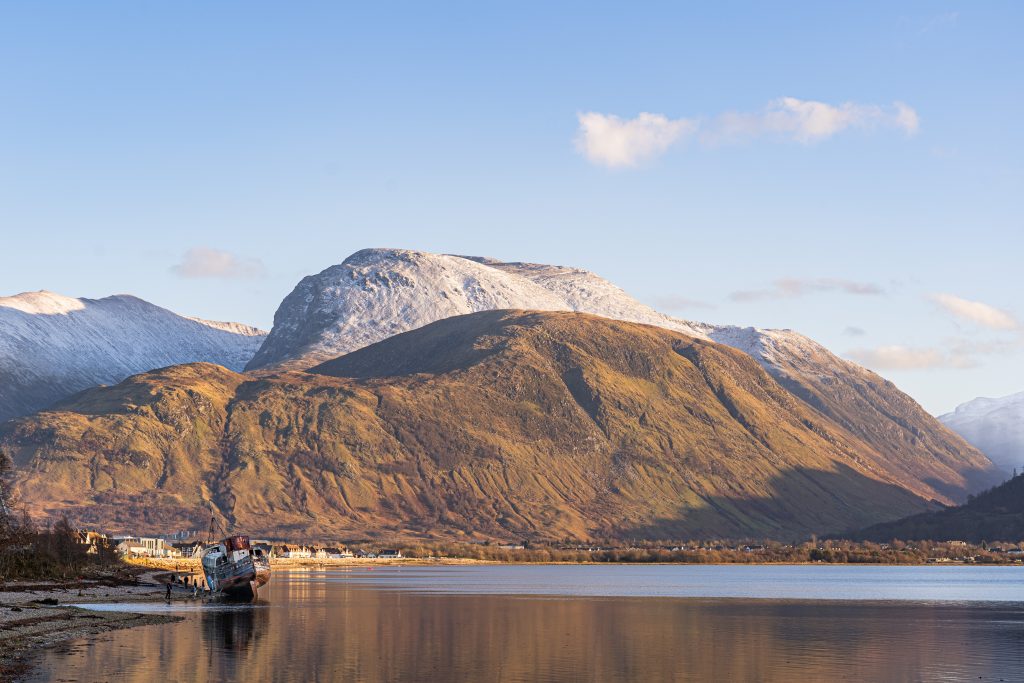
Ben Nevis and the Old Boat of Caol has a warmer version of the same quiet subject. It is still calm, but the golden light gives it a little more presence.
What to avoid in bedroom nature prints
The wrong nature print is usually not bad. It is just too active for the room.
| Avoid | Why it can feel wrong |
|---|---|
| Very busy detail everywhere | The image may keep pulling attention when the room should feel settled. |
| Over-saturated colour | It can dominate bedding, curtains and softer interior tones. |
| Tiny prints on a large wall | They can look accidental, especially above a bed or chest of drawers. |
| Too many small frames | The wall can start to feel visually busy, even if each image is calm on its own. |
The best bedroom wall art feels easy to return to
Bedroom art does not need to impress someone the moment they walk in.
It should be easy to live with. It should make the room feel a little more considered, a little more personal, and a little less temporary.
Nature photography is useful because it can do this without becoming sentimental. A quiet landscape, a still piece of water, or a soft mountain scene can change the tone of a room without asking for too much attention.
If you are choosing nature wall art for a bedroom, start with feeling. Then check the practical things: size, colour, frame, and where the image will sit in the room.
For calmer bedroom walls, look for landscape photography with space, stillness and soft light.
Prints mentioned in this article
A quick visual reference for the Othervariant prints linked above.
Old Boat Below Ben Nevis
A vertical Scottish Highlands photography print of the Old Boat of Caol below Ben Nevis, with Loch Linnhe reflections and soft winter light near…
Ben Nevis and the Old Boat of Caol
A Scottish Highlands photography print of Ben Nevis above Loch Linnhe, with the Old Boat of Caol resting by the water near Fort William.