
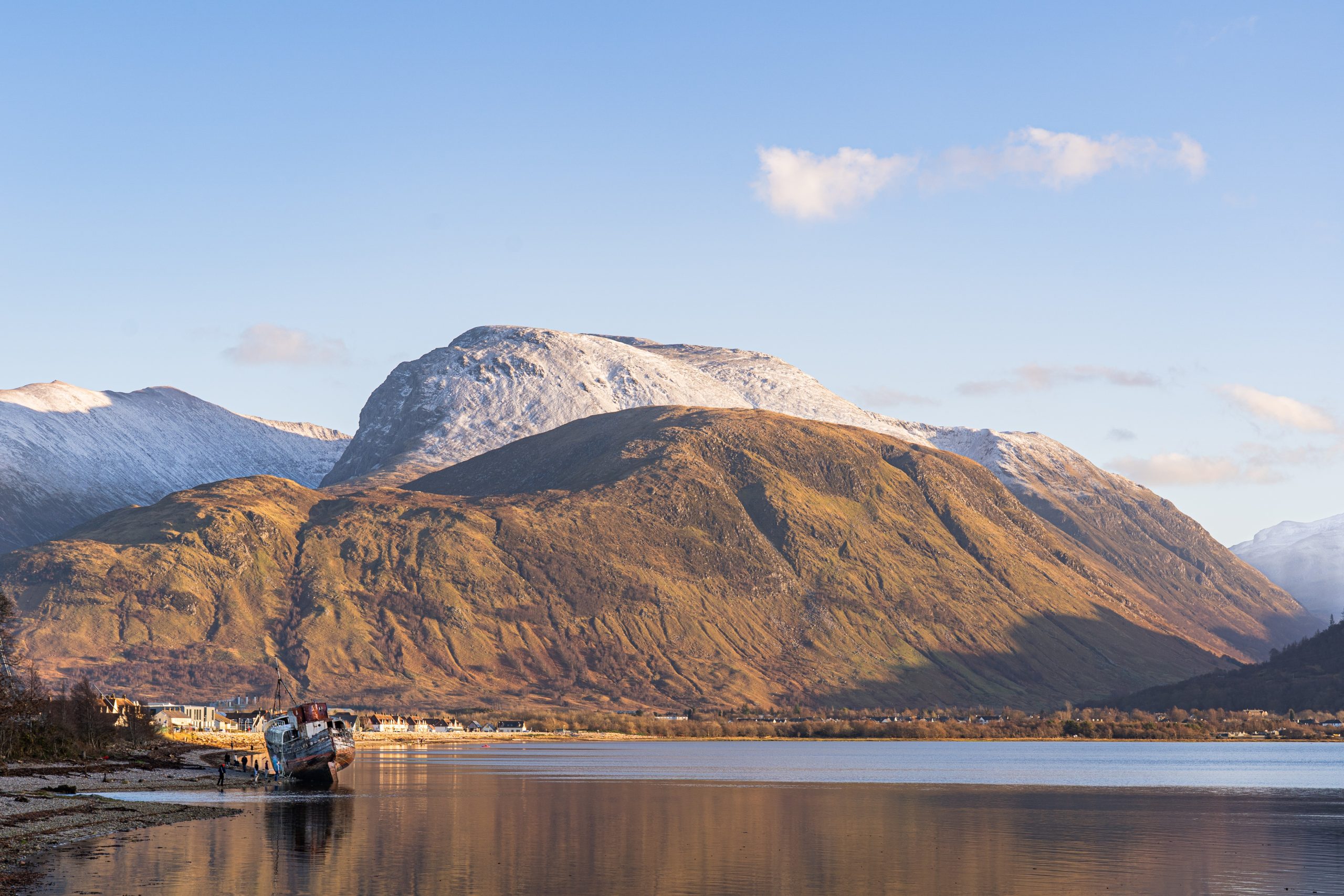
The first home creates a strong urge to finish every room. Art is usually better when it arrives more slowly. One specific photograph can make the space feel yours while leaving enough room for the home to change.
Live with the blank walls briefly
A wall looks different after the sofa, table, lamps and curtains are in place. Give the room enough time to reveal its normal light and movement before choosing art.
Notice the view from the entrance and the place where you sit most often. The first artwork should answer a real need such as adding distance, warmth or structure. Buying immediately can solve the feeling of incompleteness but create a second problem when the scale or subject does not suit daily life.
Choose one meaningful anchor
Begin with a place, atmosphere or visual quality you already care about. It can be a city connection, mountain weather, open coast or precise architecture. The image should work as a photograph rather than as a slogan about the home.
An anchor does not have to be large, but it should be deliberate enough to guide later choices. Write down why you chose it. That sentence becomes a better reference than an interior trend board.
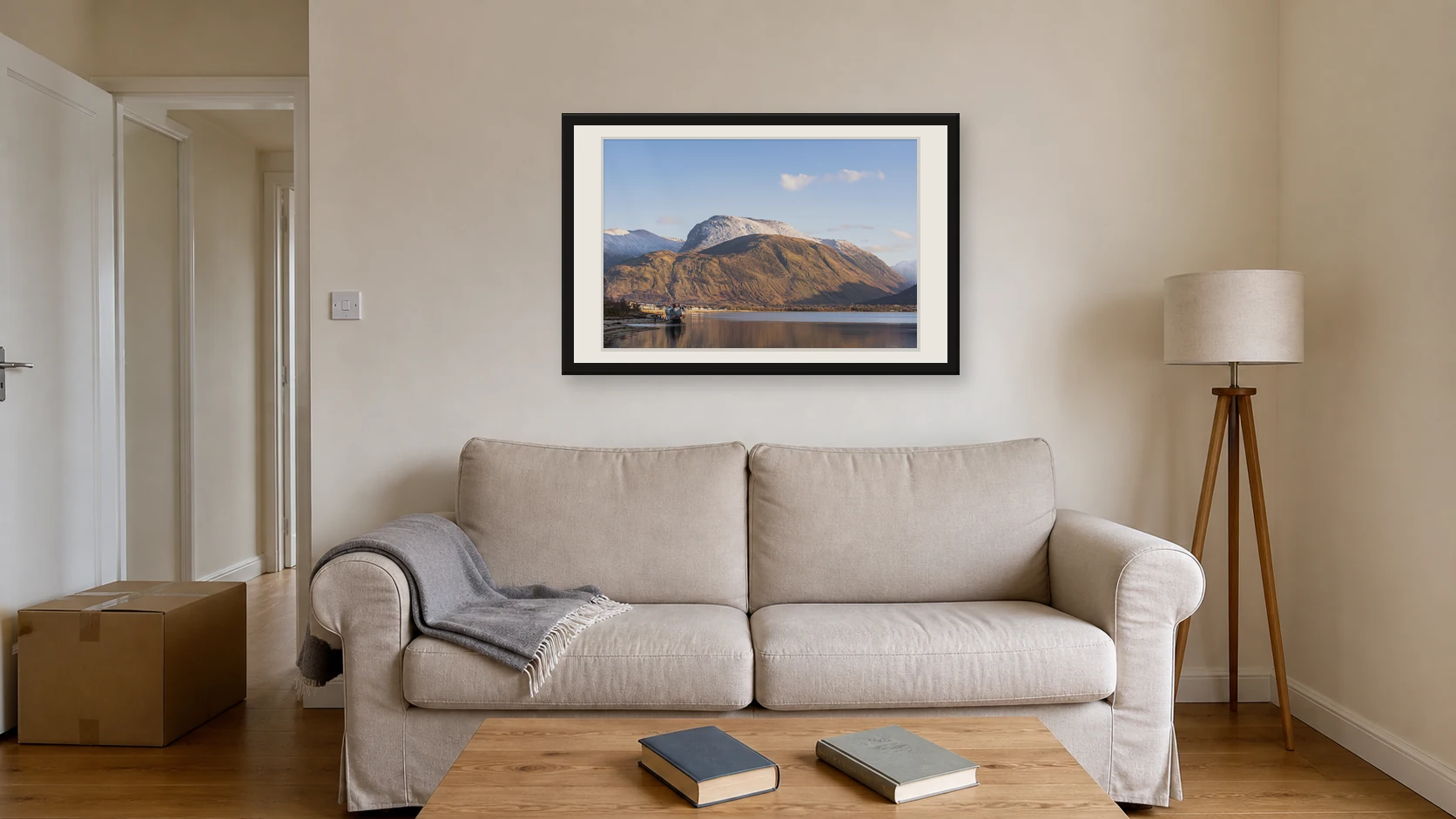
The photograph establishes one clear decision without pretending the room is finished. The empty wall and single unpacked box leave space for the home to develop through use.
Measure after furniture arrives
Use the outer frame dimensions and mark them on the wall. Relate a work above furniture to the furniture width, and check narrow walls for vertical options.
View the template from the doorway and normal seat. First homes often involve compact or shared rooms, so clearance around doors, radiators and walking routes matters. A measured medium print can be stronger than a large purchase that forces the rest of the room to work around it.
Avoid starter-home filler
Low-cost filler can still become expensive when it is replaced quickly. This does not mean every wall needs a premium purchase.
It means leaving a wall empty is better than buying an image you do not care about simply because the room appears unfinished. Use books, plants and existing objects while you search. When a photograph survives several visits, compare its product information, size and presentation carefully.
Build connections gradually
The second work does not need to match the first. Look for one relationship such as frame finish, open space, evening light or strong geometry.
Let rooms develop different moods while keeping a quiet thread. Move the first print before assuming another purchase is needed. A home collection becomes personal through decisions made at different times, not through one coordinated order.
Keep practical records
Save the product title, image and frame sizes, purchase details and current location. This helps when moving, reframing or adding another photograph.
Keep current shop delivery and care information with the receipt rather than relying on memory. A small record supports the work without turning the first purchase into a formal collecting exercise.
Plan for moving and change
A first home may not be the last place a photograph lives. Favour an image and presentation that can move between rooms rather than one dependent on an exact styling scheme. Keep packaging where practical, record the outer frame size and avoid hanging the work in persistent damp, direct heat or strong sun. If you move, wrap and transport it according to its current construction instead of treating the frame as ordinary furniture.
Thinking ahead does not make the choice less emotional. It protects the photograph and allows a meaningful first purchase to remain useful when the home, wall colour or address changes. Review the hanging position after the first season because daylight and heating patterns may reveal glare or heat that was not obvious at move-in. A small adjustment now can protect both the print and the wall. Keep the fixing details with the record for safer rehanging later.
Two real print directions
These two current Othervariant photographs show how the decision can lead to different subjects without losing clarity. Use the product pages to compare the full image, available presentation and the shape of the work.
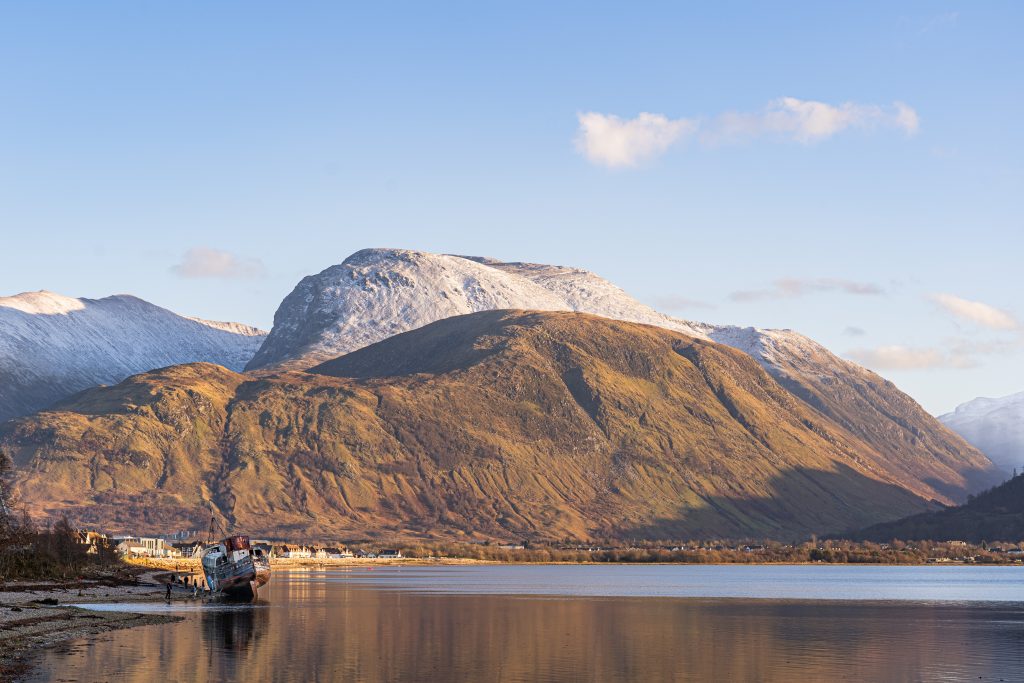
Ben Nevis and the Old Boat of Caol — Loch Linnhe Photography Print
Warm winter light and a clearly named Highland place can give a first home a specific, grounded anchor.
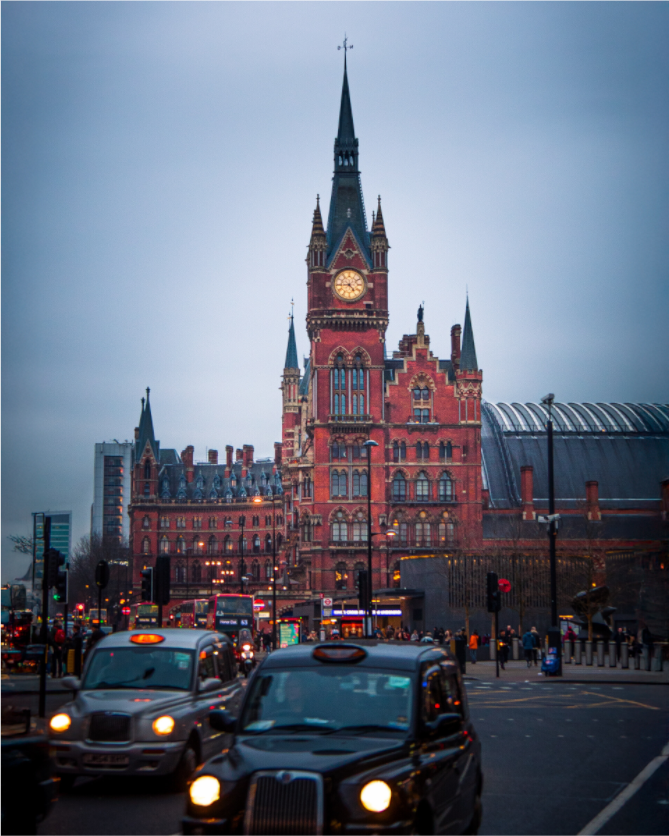
St. Pancras at Quarter to Five — London Architecture Photography Print
Evening colour and everyday London architecture offer a city-led alternative with personal place potential.
For a broader decision sequence, read the guide to choosing photography art for your home before measuring the final position.
Choose the photograph before filling the wall
Compare the image, room and scale slowly. The current collection is available to browse without urgency.