
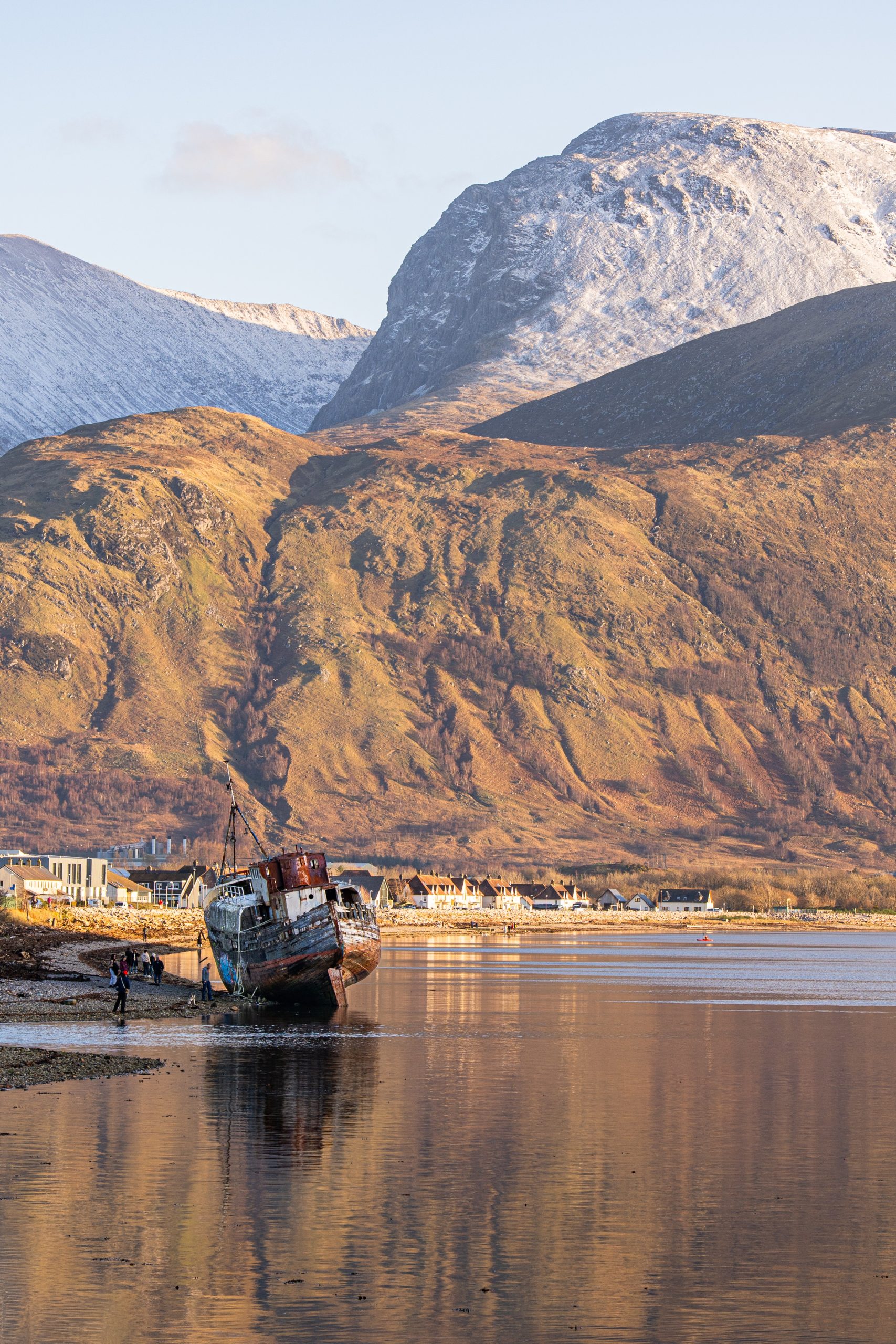
Home gym wall art does not need a slogan to create energy. Photography can make the room feel focused, open or quietly purposeful. Choose the feeling first, then use subject, contrast and scale to support the way you train.
A home gym often starts as a practical room. A bench, a mat, a bike or a set of weights goes in first. The walls come later. That makes it easy to reach for generic motivational posters, even when they do not suit the rest of the home.
Photography offers another route. It can bring pace without shouting. It can make a small room feel less boxed in. It can also give the eye one settled place to rest between sets. The useful question is not “what looks sporty?” It is “what is this room missing?”
Give the home gym wall art one job
Focus
Strong architecture, clear lines and a single recognisable subject can make the room feel ordered. This direction suits compact gyms with several pieces of equipment.
Distance
Mountains, water and open sky give the eye somewhere beyond the room to travel. They work well when training happens close to a screen or mirror.
Energy
Dusk colour, repeated lines and visible movement can add pace without using bright typography or a crowded composition.
Pick one of these jobs. Trying to make one wall feel calm, dramatic, energetic and decorative at the same time usually produces clutter.
Use structure without turning the room into a theme
Architecture is a natural fit for home gym wall art. Bridges, stations, towers and repeating arches already contain rhythm. They can echo the straight lines of a rack, bench or storage system without looking like sports branding.
Look for a photograph that reads clearly from across the room. A strong silhouette or a simple sequence of columns will hold its shape even when you are moving. If the room already contains black equipment and metal frames, a monochrome image can connect with those materials. The guide to high-contrast photography and wall art explains why clear light and dark areas feel more graphic at a distance.
The photograph should support the room’s rhythm, not compete with the equipment.
Use landscape when the room needs breathing space
A landscape print changes the emphasis. Instead of repeating the room’s structure, it opens it. A mountain, coastline or distant horizon can be useful in a narrow spare room where most views stop at a nearby wall.
This is not a claim that a landscape will improve a workout. Its job is simpler. It gives the room visual distance. Open sky and a clear horizon can soften a wall filled with hard equipment, cables or mirrors.
Choose a scene with one calm route through it. A landscape packed with tiny detail may become noisy at the size you need. A photograph with a clear foreground, middle distance and sky will usually remain legible from the doorway as well as from the training position.
Control contrast and colour
Many home gyms already have strong contrast: black rubber flooring, white walls, chrome bars and a bright ceiling light. The art does not always need to add more.
If the room feels flat, black-and-white architecture can add definition. If it feels severe, choose warmer evening light, muted landscape colour or softer weather. A small amount of colour often does more than a loud palette.
Mirrors also change the decision. They repeat whatever sits opposite them. A busy print may appear twice and dominate the room. A simpler photograph with open space is easier to live with when reflected.
Choose scale from the usable wall
Measure the clear wall after accounting for doors, mirrors, storage and the full movement of equipment. The usable area may be smaller than it first appears.
One medium or large print often feels calmer than several small frames. It also creates fewer visual edges beside racks, shelves and handles. Mark the proposed outer frame size with paper or low-tack tape, then look from the doorway and from the position where you spend most time.
Keep the frame away from the path of weights, resistance bands and moving machine parts. If the wall is difficult or the print is heavy, use a fixing method suited to the wall and frame rather than guessing. For the visual side of frame choice, see the guide to choosing framed photography prints.
| Photography direction | What it adds | Where it often fits |
|---|---|---|
| Monochrome architecture | Structure and definition | Near a rack, bench or clean equipment wall |
| Open mountain landscape | Distance and visual relief | Opposite a bike, treadmill or mat area |
| Dusk city scene | Warmth and measured energy | On a side wall away from mirror glare |
Two photography directions for a home gym
These current Othervariant prints solve different room problems. The Ben Nevis photograph brings open distance and softer winter light. The St. Pancras image brings architecture, colour and the rhythm of an evening city.
Old Boat Below Ben Nevis
Open water, mountain distance and restrained winter colour for a room that needs breathing space.
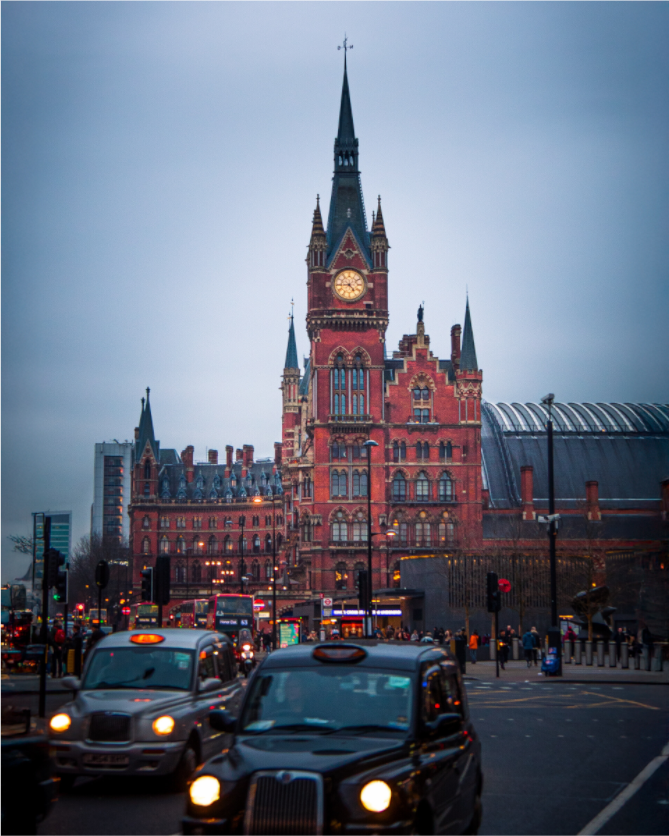
St. Pancras at Quarter to Five
Repeated architecture and evening colour for a more structured, urban training space.
Skip the borrowed motivation
The strongest home gym does not need to look like a commercial fitness studio. It only needs to make training feel easy to begin and comfortable to repeat.
Choose one photograph with a clear purpose. Give it enough scale. Keep it clear of movement and glare. The room will feel more intentional without asking a slogan to do the work.
Find a photograph with the right kind of energy
Compare London architecture and open landscape prints at your own pace. Start with the feeling the room is missing.