
Architecture and landscape photography do different work on a wall. Architecture tends to clarify shape and direction. Landscape tends to introduce distance and atmosphere. Neither is automatically calmer or more dramatic.
What architecture brings
Architecture photographs are built from edges, repetition, scale and the relationship between light and structure. They can make a room feel more focused, especially in a study, hallway or living area with simple furniture.
Monochrome can reduce visual noise, while dusk colour can add warmth. A landmark does not have to become a tourist motif if the photograph is shaped by viewpoint and atmosphere. Look for one clear order in the image rather than a crowded skyline of competing details.
What landscape brings
Landscape photography can extend the room beyond the wall. Water, horizon, mist and distant ridges create visual depth, which is useful where a compact or busy room needs relief. Landscape is not automatically pale or restful.
Storm light, strong mountains and saturated sunsets can carry significant weight. Choose the actual weather and composition for the room. A quiet coast behaves differently from a close, dark forest, just as a minimal architectural detail differs from a busy city street.
Match the image to the room's job
A working area may benefit from clear verticals and a defined centre; a bedroom may need slower transitions and open space. These are tendencies, not rules. A soft architectural scene can suit rest, and a strong mountain can focus a workroom.
Describe the job first: anchor, widen, warm, settle or energise. Then compare photographs that perform that job. Subject becomes one part of the decision rather than the entire decision.
Use orientation and scale carefully
Architecture offers many vertical images for narrow walls, while landscape naturally supplies horizontal shapes above furniture. There are exceptions in both categories.
Measure the usable wall and choose an image whose original ratio fits it. Do not force a crop that removes the building's balance or the landscape's sense of distance. At larger scale, simple structure becomes more important because every edge and tonal area gains visual weight.
Consider what you already live with
Rooms with strong geometric furniture, metal and clean lines may need a landscape to soften them, or an architecture photograph to reinforce their clarity. Rooms with organic materials may welcome another layer of landscape, or benefit from a precise city image as contrast.
Both strategies can work. Decide whether the art should echo the room or introduce the missing quality. Avoid choosing by a generic interior label such as modern or rustic; look at the actual materials and light.
Let two examples settle the question
Compare one architecture image and one landscape image at the same approximate frame size. View them from the doorway and the place where you sit. Notice which image improves the room after the first impression.
If one dominates, try a smaller size or quieter photograph within that subject. If both work, they may belong in different rooms or form a loose collection through shared tone. The answer does not have to be one category for the whole home.
Try a two-minute distance test
Show each candidate at a similar physical size and stand at the normal viewing point for two minutes. First notice what reads immediately. Then look for the details that emerge more slowly. Architecture may hold through line and repetition; landscape may develop through weather and depth.
Afterward, turn away and describe the image from memory. The photograph that leaves a clear but not exhausting impression may be the better fit. This test is simple, but it moves the choice beyond subject labels and toward the way the wall art will actually be encountered each day. Repeat the test in evening light before deciding, because deep shadow and subtle distance can change considerably after daylight fades.
Two real print directions
These two current Othervariant photographs show how the decision can lead to different subjects without losing clarity. Use the product pages to compare the full image, available presentation and the shape of the work.
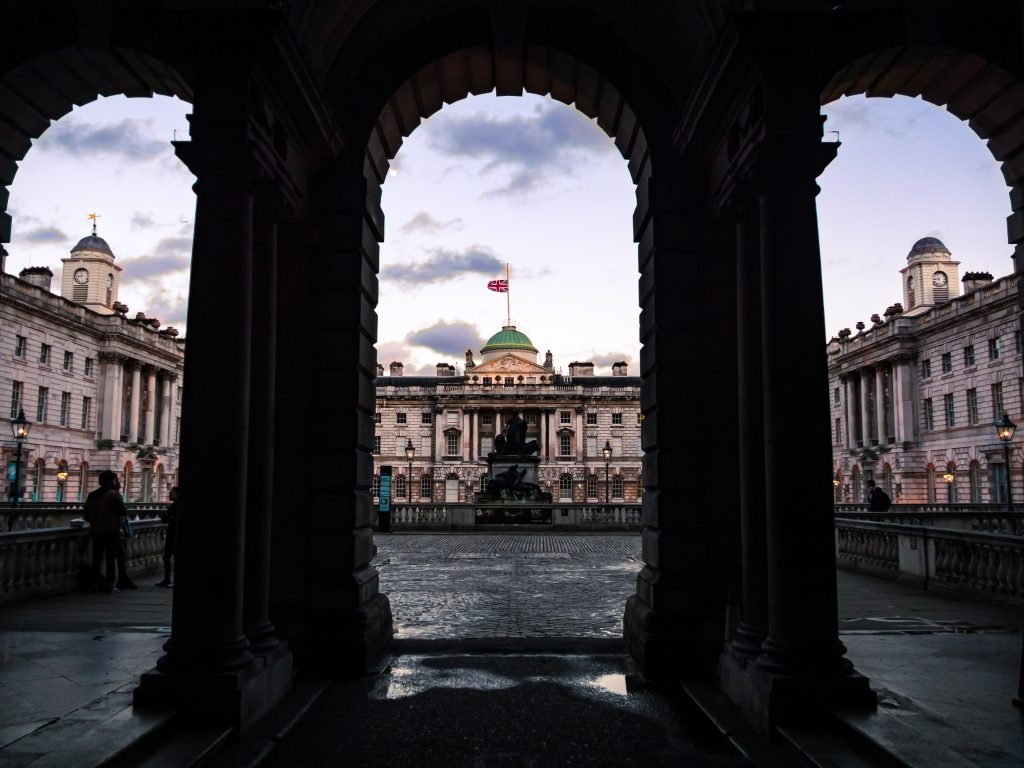
London Arches at Dusk — Architecture Photography Print
Stone, shadow and a broad architectural frame create a grounded horizontal structure.
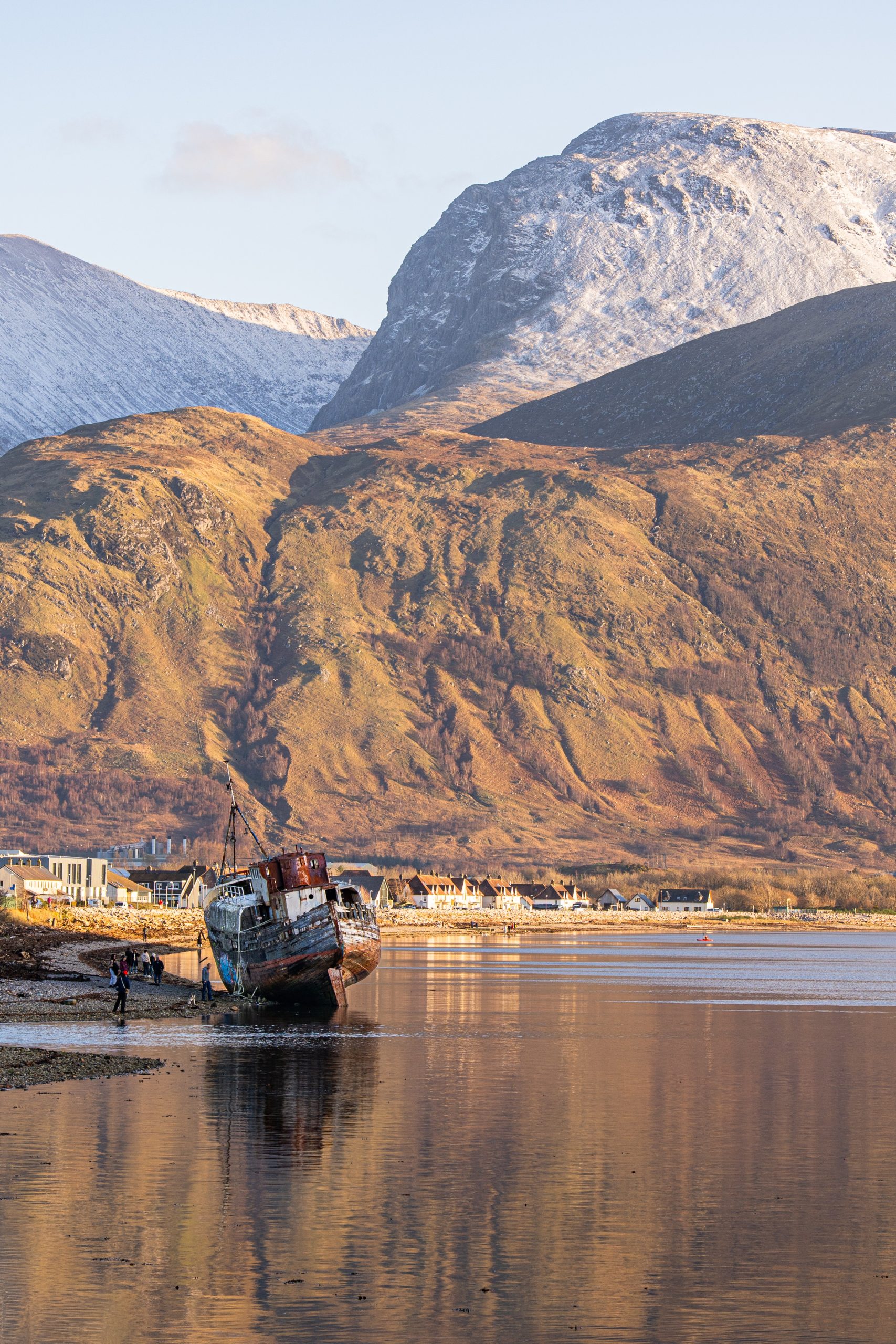
Old Boat Below Ben Nevis — Scottish Highlands Photography Print
A vertical Highland scene uses water, winter light and mountain distance to create depth.
For a broader decision sequence, read the guide to choosing photography art for your home before measuring the final position.
Choose the photograph before filling the wall
Compare the image, room and scale slowly. The current collection is available to browse without urgency.