
Choosing a photography print size is less about filling a blank wall and more about deciding how much attention the image should hold in the room.
Most people start with the wrong question.
They ask, “What size print fits this wall?”
A better question is quieter: “How do I want this room to feel when the print is in it?”
A small black and white London print can feel precise and collected. A large landscape print can slow the room down. A wide skyline can give a sofa wall structure without making it feel busy. Size changes the photograph’s job.
This is especially true with fine art photography prints, because the image is not just decoration. It has distance, weather, shadow, grain, architecture, water, or open sky inside it. The print needs enough room to breathe.
Start with the furniture, not the wall
If a print is going above a sofa, bed, sideboard, or console table, use the furniture as the anchor. The print should usually feel connected to the furniture underneath it, not like a small island floating in the middle of the wall.
A useful rule: choose artwork that is roughly two thirds to three quarters of the width of the furniture below it.
That does not need to be exact. It is a visual guide, not a law. But it stops the most common mistake: buying a print that is technically beautiful, then discovering it looks timid once it is on the wall.
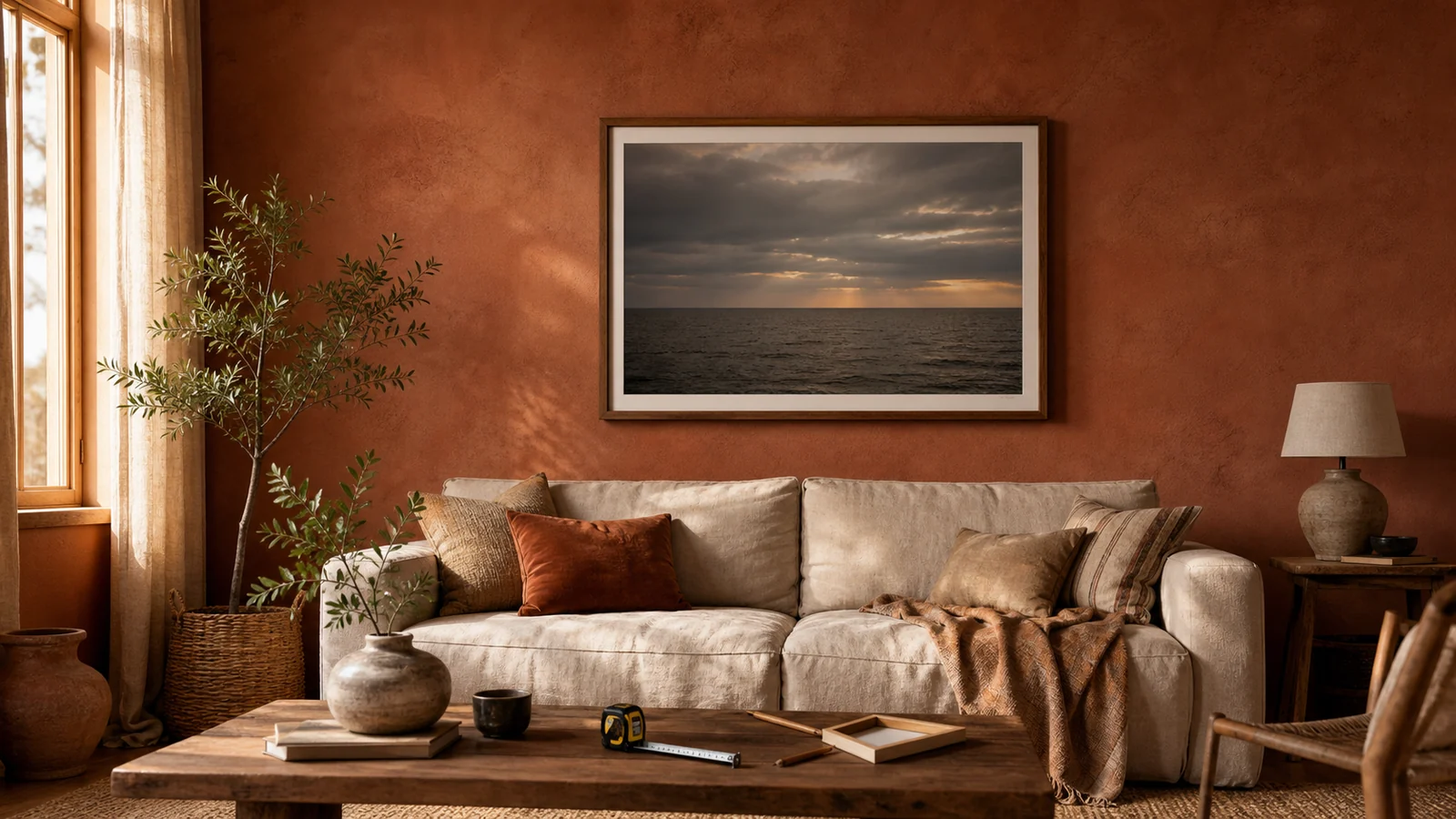
For a smaller chair corner, bedside wall, hallway, or reading nook, the print can be more modest. A smaller piece works when the viewing distance is short and the room is asking for a pause, not a statement.
Think about viewing distance
A print seen from across a room needs more scale than a print seen from a desk, landing, or narrow hallway.
Large rooms make small prints look smaller. Long sightlines do the same. If the print will be viewed from three or four metres away, a small A4-sized piece can disappear unless it is part of a gallery wall or supported by a strong mount and frame.
This is where landscape photography and London skyline prints often work well. They hold shape from a distance. A bridge, skyline, cliff edge, cathedral dome, or line of water can still be read across the room.
More intricate images need a different decision. If the photograph has small details you want people to come close to — stonework, windows, birds, reflections, weather marks — it can work beautifully at a medium size in a place where people naturally pass near it.
Use print size to set the mood
Different print sizes create different kinds of attention.
Small prints
Best for shelves, narrow walls, bedside corners, and layered interiors. They feel intimate rather than dominant.
Medium prints
The safest choice for most homes. Big enough to be noticed, calm enough to live with every day.
Large prints
Best when the wall needs a clear focal point. They suit open rooms, sofa walls, dining spaces, and quiet minimal interiors.
One large print or a pair?
One larger print usually feels quieter and more resolved. It gives the room one clear focal point and suits minimal interiors, darker rooms and long sofa walls.
A pair is useful when the wall is wide but you do not want one dominant image. Keep the frame size and spacing consistent, and treat both prints as one unit. The guide to pairing two photography prints explains how to connect the images without making the wall busy.
Black and white photography is often forgiving at larger sizes because it removes colour noise. The room gets contrast, structure, and atmosphere without another strong colour competing with furniture, books, plants, or light.
Colour photography needs a little more care. A warm sunset, blue coastal scene, or green landscape can be beautiful, but it will also introduce a colour note into the room. That can be exactly what the space needs. It just should not be accidental.
Match the image shape to the wall
Size is only half the decision. Shape matters too.
A vertical print can lift a narrow wall. A horizontal print can calm a long sofa wall. A square or near-square image can work well above a cabinet, fireplace, or compact furniture piece.
For London architecture, vertical images often suit towers, cathedral interiors, and street details. For coastal and landscape photography, wider formats often feel more natural because the eye wants to move across the horizon.
If the wall is tall and narrow, do not force a wide landscape print into it. If the wall is long and low, do not make a single small vertical print do all the work. Let the wall tell you what shape it wants.
Leave enough breathing room
A strong print does not need to cover the whole wall.
Empty space around the frame is part of the composition. It lets the image feel intentional. This matters even more with quieter photography — mist, water, stone, sky, shadow, and black and white architecture.
If the room already has shelves, lamps, plants, and strong textures, a slightly smaller print may feel better. If the room is minimal and the wall is doing nothing, the print can take more responsibility.
A practical way to choose
Before buying, cut a piece of paper or cardboard to the approximate framed size and tape it to the wall. Leave it there for a day.
Look at it in morning light, evening light, and with the lamps on. Stand where you actually sit. Walk past it from the hallway. Notice whether it feels too shy, too loud, or about right.
This small test saves a lot of guessing.
Then choose the photograph.
If the room needs calm, start with coastal, landscape, or minimal black and white work. If it needs structure, look at architecture. If it needs a sense of place, a London photography print can do that without turning the room into a postcard.
Good print sizes by room
| Room or wall | Usually works well | Why |
|---|---|---|
| Above a sofa | Medium to large horizontal print | Connects to the furniture and gives the wall a centre. |
| Bedroom | Medium calm print or pair | Enough presence without making the room feel noisy. |
| Hallway | Small to medium vertical print | Works at close viewing distance and suits narrow walls. |
| Home office | Medium architectural or landscape print | Adds focus without becoming distracting. |
| Dining room | Large statement print | Can hold attention in a room with longer sightlines. |
The right size should feel obvious after a while. Not because it shouts, but because the room looks unfinished without it.
If you want a quiet starting point, use the wall art size calculator, then browse the current London photography prints, black and white prints, or the guide to choosing landscape photography prints for your home.
Prints mentioned in this article
A quick visual reference for the Othervariant prints linked above.
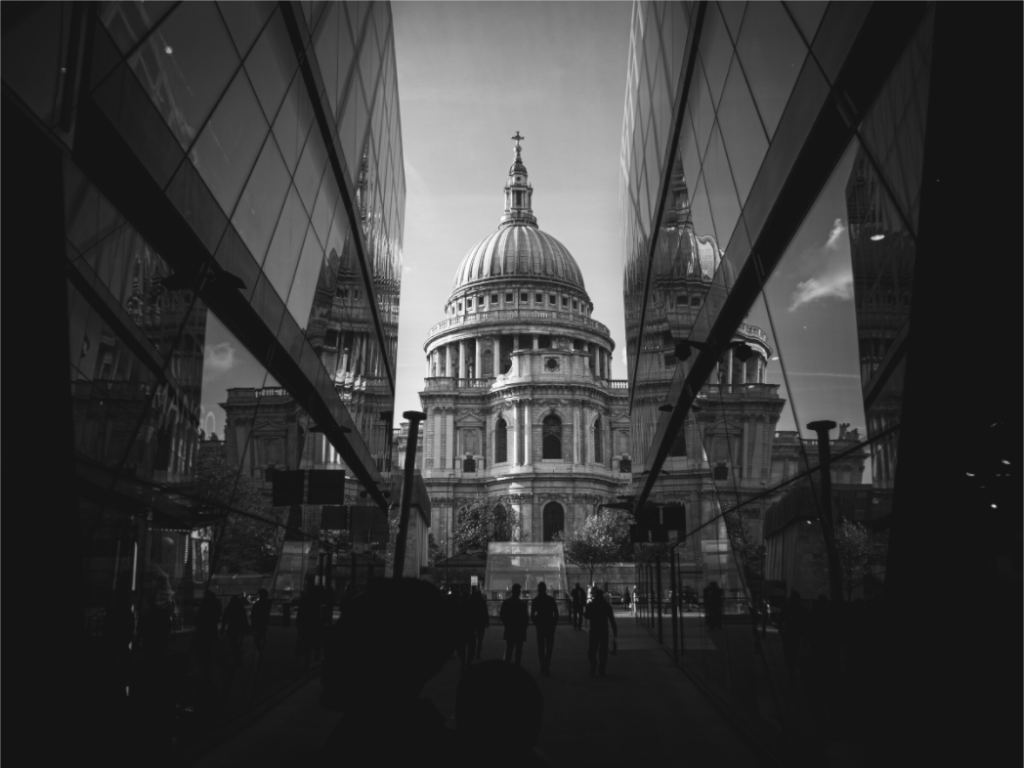
Symmetry & Stone
A structured black-and-white architectural print that can hold a larger living-room wall.
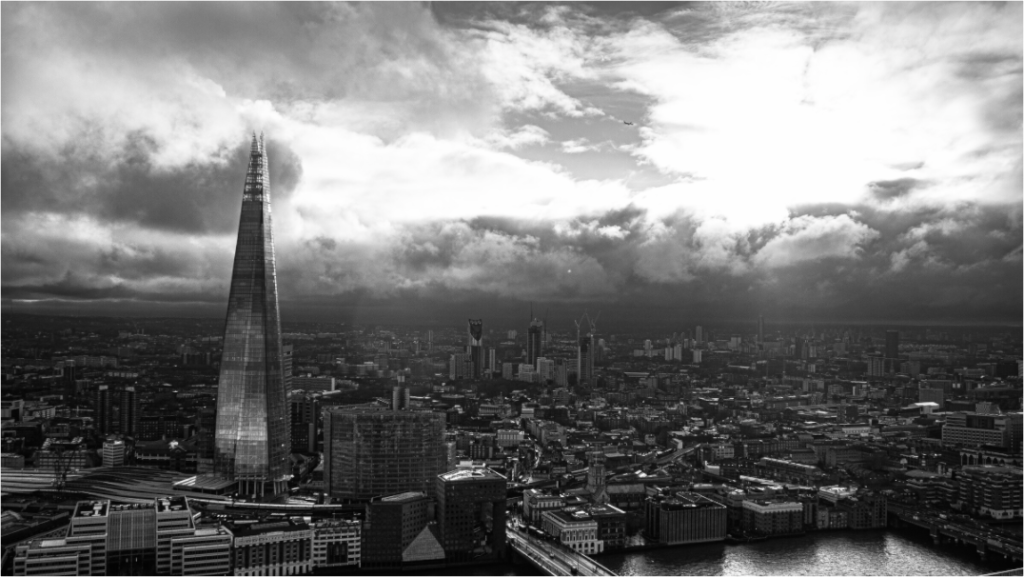
The Shard from Sky Garden
Othervariant london available in multiple sizes and configurations.