
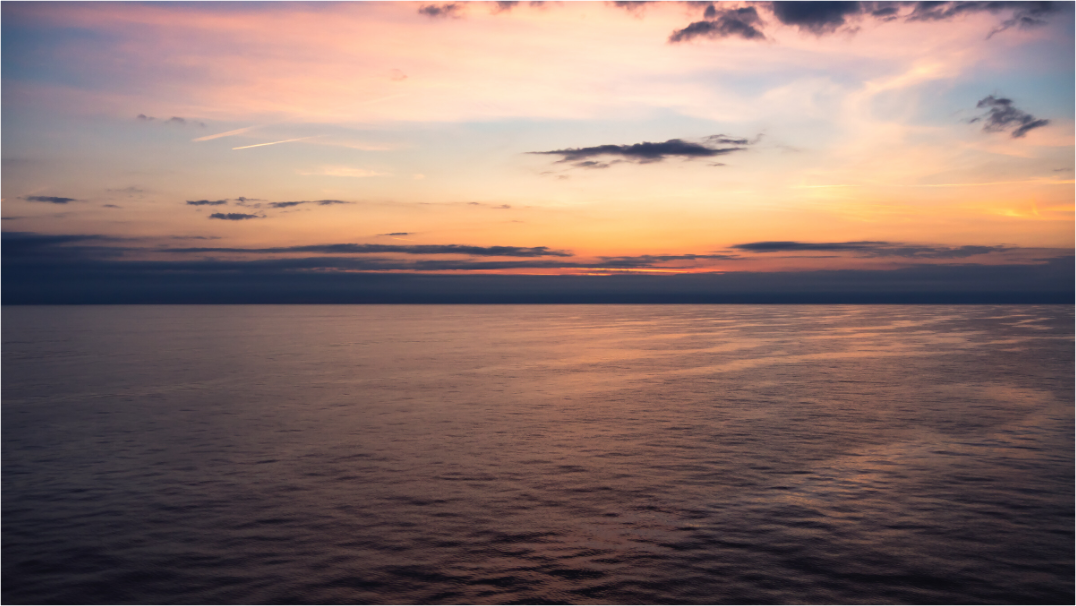
Negative space in photography is the quiet area around the subject. It is the sky around a skyline, the water around a horizon, or the shadow around a building. Used well, it makes a photograph feel calmer, clearer, and easier to live with as wall art.
Most people look at a photograph and search for the main thing first.
The landmark. The person. The mountain. The wave. The shape of a building against the sky.
That makes sense. A photograph usually needs a subject. But the subject is only half of the image. The space around it does a lot of the work.
In photography, negative space is the open or less detailed area around the subject. It might be bright sky, dark sea, a blank wall, mist, shadow, snow, or an out-of-focus background. It is not wasted space. It is the part of the frame that gives the subject room to breathe.
Why negative space works
Negative space works because it removes noise.
A busy photograph can be exciting, but it asks more from the viewer. The eye has to sort through detail, colour, contrast, movement, texture, and competing subjects. That can work beautifully in street photography or documentary work. It can also feel too loud on a wall you see every day.
Negative space does the opposite. It slows the image down.
A small boat against a wide sea feels different from a boat filling the frame. A cathedral surrounded by clean sky feels different from the same building squeezed between signs, cars, cables, and crowds. A minimal coastal print works because the empty part is not empty emotionally. It creates distance, quiet, and scale.
This is why negative space often suits interiors. It gives the room a pause rather than another object fighting for attention.
Negative space is not just blank space
The mistake is thinking negative space means nothing is happening.
Good negative space still has a feeling. A pale sky can feel open. A dark sky can feel heavy. A smooth sea can feel still. Fog can feel private. A plain wall can make architecture look sharper. Deep shadow can make a small highlight feel more important.
The space has to belong to the photograph. If it is only dead area, the image feels unfinished. If it supports the subject, the whole frame feels more intentional.
Open sky
Useful for architecture, landmarks, and skyline prints. It can make a building feel lighter and more graphic.
Water and horizon
Useful for coastal and landscape photography. It creates calm, distance, and a slower sense of time.
Shadow
Useful in black and white photography. It can simplify a scene and pull attention toward shape and light.
Why it makes calm wall art
Wall art has a different job from an image on a phone.
On a phone, a photograph has one second to stop someone scrolling. On a wall, it has to hold up over months and years. It becomes part of the room. You pass it in the morning. You notice it at night. You see it in different weather and different moods.
That is where negative space helps.
A print with room around the subject can make a room feel less crowded. It works especially well in bedrooms, reading corners, hallways, workspaces, and minimal living rooms. The image still has presence, but it does not shout for attention every time you walk past it.
This is also why many coastal prints, misty landscapes, and restrained black and white photographs feel easier to place. They bring atmosphere without adding too much visual weight.
| Image style | How negative space changes it | Where it often works |
|---|---|---|
| Coastal photography | Makes the sea and sky feel quiet rather than decorative | Bedrooms, calm living rooms, hallways |
| London architecture | Lets the shape of the building become the point | Offices, studies, modern interiors |
| Black and white prints | Turns attention toward contrast, structure, and mood | Minimal rooms, darker walls, gallery-style spaces |
How to spot it when choosing a print
You do not need to know the theory to choose better wall art.
Look at the print from a distance first. Squint slightly. Ask yourself what your eye goes to first, and then ask what surrounds it. If the surrounding space makes the subject clearer, the photograph is probably using negative space well.
Then think about the room.
If the room already has strong colour, patterned furniture, shelves, plants, books, or a lot of objects, a quieter photograph can help. A minimal sea print such as Crossing at Dawn works because most of the frame is atmosphere. The small horizon and soft colour do not compete with the room.
For a slightly stronger natural image, Light Break uses sky, sea, and weather to create space around the light. It feels calmer than a busy landscape because the frame has somewhere for the eye to rest.
If you prefer something more graphic, negative space also works in monochrome and city prints. The black and white collection uses contrast and simpler shapes to reduce distraction. The effect is different from a coastal print, but the principle is close: less clutter, more attention.
When negative space is not the right choice
Not every wall needs a quiet print.
Some rooms need energy. A large, colourful London landmark can work better above a sofa than a very minimal horizon. A hallway with plain walls might need a stronger focal point. A dark room might need warmth or movement rather than more emptiness.
The question is not whether negative space is better. It is whether the room needs pause or presence.
If you want the print to calm the room, choose more space. If you want it to anchor the room, choose more subject. If you want both, look for a photograph where the subject is clear but the frame still has breathing room.
The quiet part is often the reason the print works
Negative space is easy to miss because it does not announce itself.
But once you see it, you start noticing how much it changes a photograph. It can make a building feel taller. It can make a coastline feel lonelier. It can make a small subject feel more important. It can make a print easier to live with.
That matters for wall art.
A good print is not only about what is in the frame. It is also about what has been left out.
If you want quieter photography for a room that already has enough noise, start with the nature and coastal work. Look for open sky, water, distance, and room around the subject.
Prints mentioned in this article
A quick visual reference for the Othervariant prints linked above.
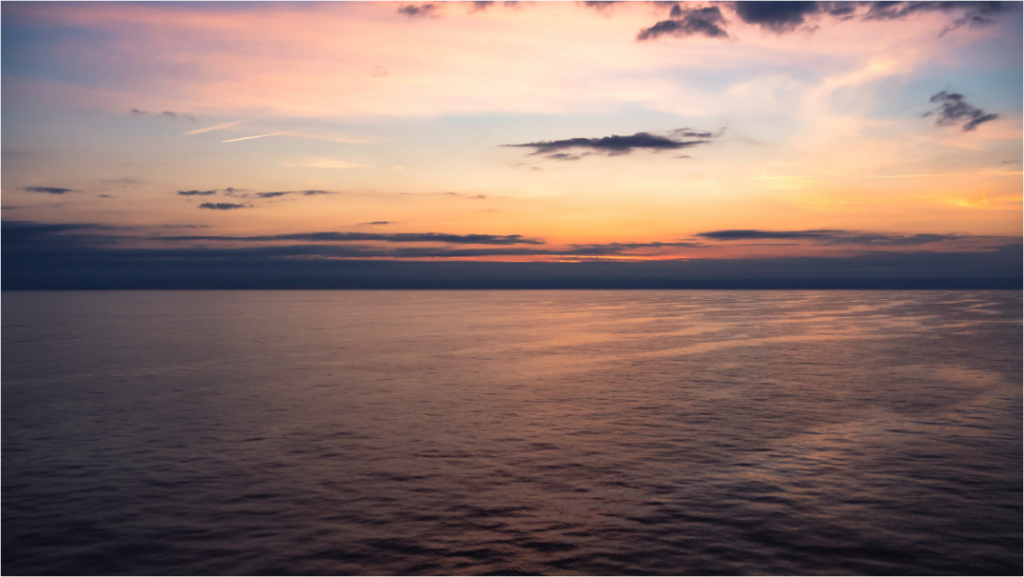
Crossing at Dawn
Othervariant nature available in multiple sizes and configurations.
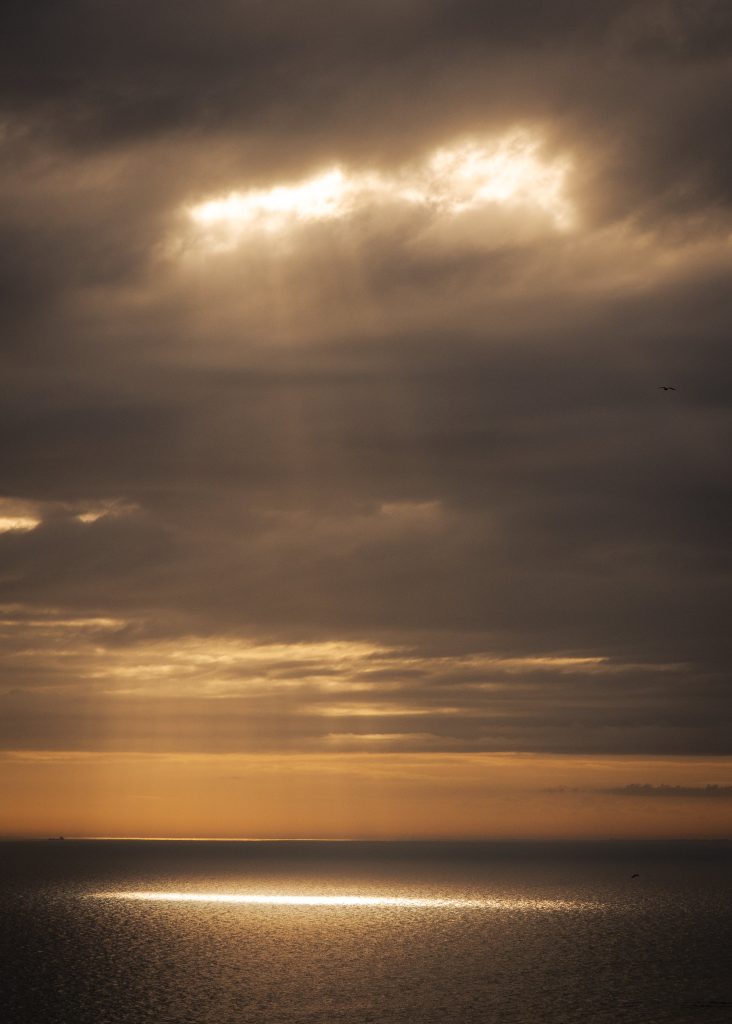
Light Break
Othervariant nature available in multiple sizes and configurations.