
Exposure is one of the first photography words people hear. It sounds technical. It is really a simple question: how much light did the camera keep, and what mood did that choice create?
Most people meet exposure through mistakes.
A sky turns white. A building becomes a dark block. A sunset looks flat compared with the scene you remember. The camera did what it was asked to do, but the photograph did not feel like the moment.
That is exposure. Not just brightness. Not just a camera setting. It is the amount of light recorded in the image, shaped by aperture, shutter speed and ISO. More importantly, it is one of the quiet ways a photograph decides how it feels.
What exposure means in plain English
In photography, exposure is how light or dark an image is after the camera records it.
A well-exposed photograph is not always a bright photograph. It is a photograph where the important parts have the right amount of light for the image the photographer wanted to make.
That last part matters.
A clean product photo usually needs even exposure. A quiet black and white street photograph may work better with deep shadows. A coastal landscape at dawn might need soft, careful exposure so the sky keeps its shape and the water does not turn into a blank sheet.
There is no single correct brightness. There is only the exposure that serves the picture.
The three things that control exposure
Exposure is usually described through three settings. Together they are often called the exposure triangle.
Aperture
Aperture is the opening in the lens. A wider aperture lets in more light and can blur the background. A narrower aperture lets in less light and can keep more of the scene sharp.
Shutter speed
Shutter speed is how long the camera lets light in. A fast shutter freezes movement. A slow shutter can soften water, stretch passing cars into light trails, or make handheld images blur.
ISO
ISO changes how sensitive the camera is to light. A higher ISO helps in darker conditions, but can add visible grain or noise. For a deeper beginner guide, read what ISO means in photography.
Those settings sound mechanical. In the final image, they become visual language.
A fast shutter can make London feel crisp and alert. A slower shutter can make the same street feel restless. A darker exposure can make architecture heavier and more graphic. A brighter exposure can make a landscape feel open, airy and calm.
Why exposure changes the mood of a photograph
Light carries emotion before the subject even registers.
A photograph of St Paul’s Cathedral at dusk does not only show a building. It shows the city moving into evening. The lamps are warmer. The sky has less certainty. The street starts to glow. If the exposure is pushed too bright, that mood disappears. If it is held slightly darker, the picture keeps its atmosphere.
That is why exposure matters for prints. A wall print is not viewed for two seconds like a phone image. It sits in a room. It changes with the daylight around it. It needs enough detail to hold attention, but enough restraint to avoid shouting at the space.
This is especially true with London photography prints. The city often works best when light is imperfect: dusk, rain, reflected glass, winter skies, early bridges, old stone beside modern towers.
Good exposure is not the same as perfect exposure
Modern cameras are very good at producing safe images. Safe usually means nothing is too bright, nothing is too dark, and the middle of the image looks acceptable.
That can be useful. It can also be boring.
Some photographs need shadow. Some need a bright sky. Some need the subject to sit quietly instead of being lit like a catalogue shot. A technically balanced exposure can still feel emotionally wrong.
Black and white photography makes this obvious. Without colour, the photograph leans harder on light, contrast, shape and texture. A darker exposure can give a building weight. A brighter one can make it feel flatter. Neither is automatically better. The question is what the image is trying to say.
You can see this clearly in black and white architectural work such as The Shard from Sky Garden, where the value of the image sits in contrast, geometry and controlled light rather than colour.
How exposure affects a print in a room
On a wall, exposure becomes part of the room’s tone.
| Exposure feel | What it tends to do in a room | Where it often works |
|---|---|---|
| Darker, high contrast | Adds structure, drama and calm weight | Minimal rooms, darker interiors, hallways, studies |
| Soft, mid-tone | Feels balanced and easy to live with | Living rooms, bedrooms, mixed natural light |
| Bright, airy | Opens the wall and makes the room feel lighter | Smaller spaces, coastal rooms, pale interiors |
This is why choosing a print is not only about the subject. A bright Tower Bridge image and a darker monochrome London skyline may both be beautiful, but they will not behave the same way on the wall.
If you want a room to feel calm and open, a softer landscape or seascape can help. If you want a stronger focal point, a contrast-heavy London architecture print may do more work. The subject matters. The exposure decides how loudly it speaks.
A simple way to look at exposure when choosing photography
When looking at a photograph, ask three quiet questions.
First: where does your eye go immediately?
Second: does the light make the subject feel stronger, softer, colder, warmer or more distant?
Third: would that feeling suit the room you are buying for?
That is enough. You do not need to know every camera setting to choose a good print. You only need to notice what the light is doing.
For the technical side, Cambridge in Colour has a useful plain guide to camera exposure. For buying art, the useful question is simpler: does the exposure support the feeling you want to live with?
Browse the current Othervariant collection if you want to compare how different light feels across London, architecture and coastal prints.
View St Paul’s Cathedral at Dusk
Or start wider with black and white photography prints and compare how contrast changes the room.
Prints mentioned in this article
A quick visual reference for the Othervariant prints linked above.
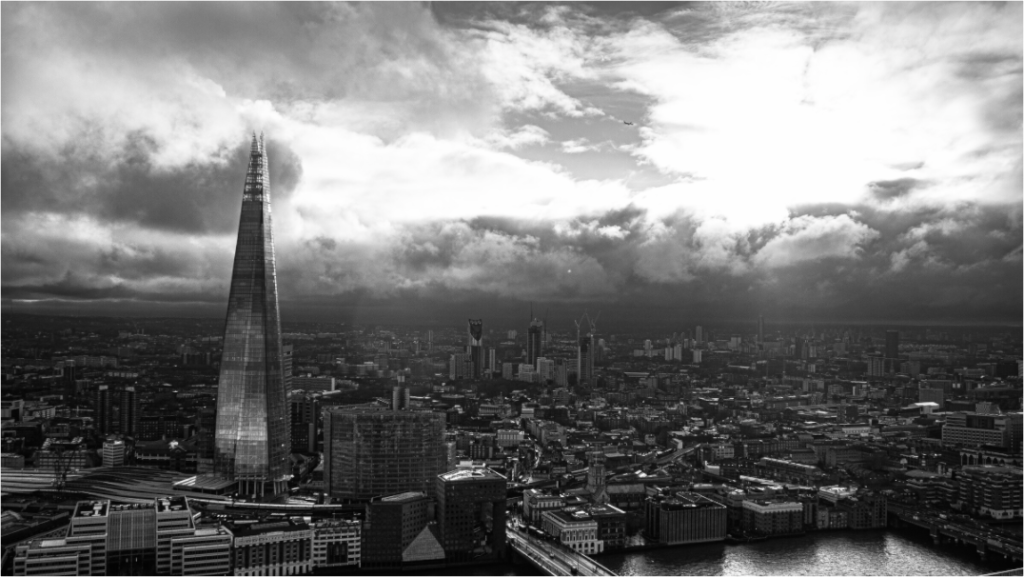
The Shard from Sky Garden
Othervariant london available in multiple sizes and configurations.
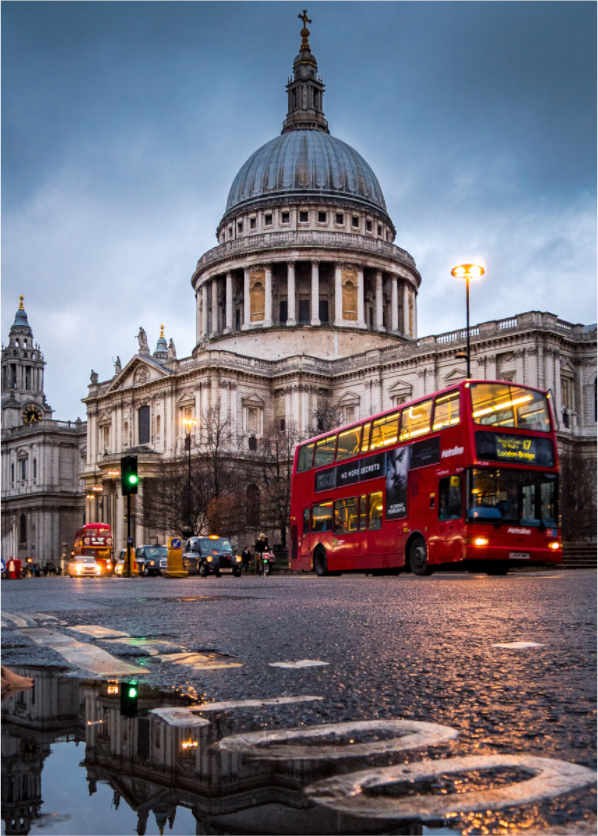
St. Paul’s Cathedral at Dusk
Othervariant london available in multiple sizes and configurations.