
Small wall art prints are easy to underestimate. They do not dominate a room, so people often treat them as filler. But a small photograph can do something a large print cannot: it can make a corner feel noticed.
<strong>Short answer:</strong> Small wall art prints work best when they feel intentional. Put them where people come close, choose photographs with a simple focal point, and let the frame give the image enough presence.
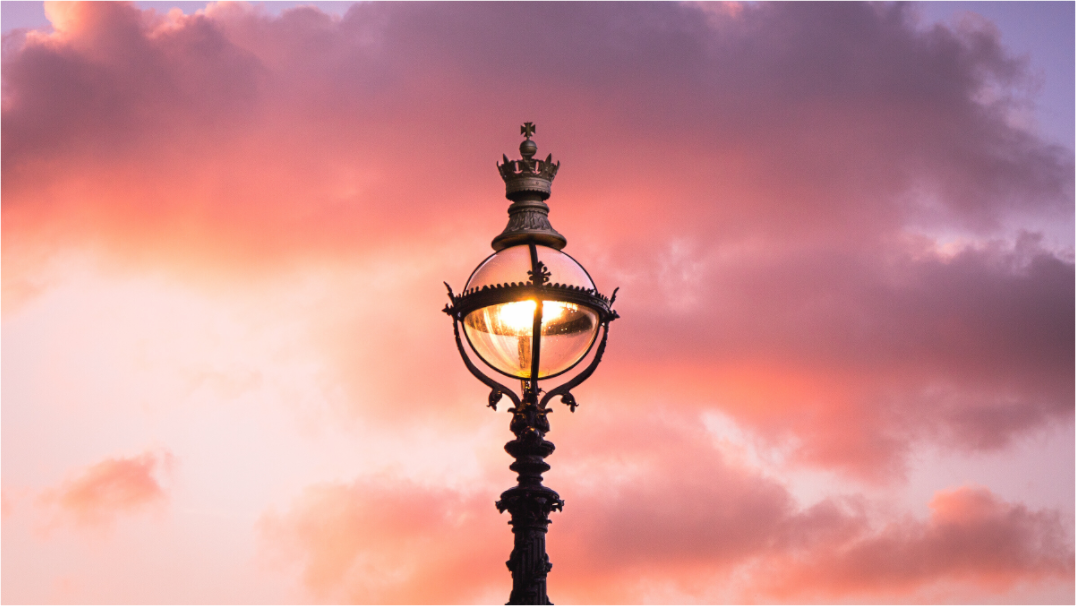
Small does not mean weak
A small print works when it has a clear job. It might pull attention to a reading chair, finish the space above a side table, or add a quiet point of interest near a doorway.
The mistake is choosing something small because the wall is awkward. Choose it because the photograph rewards close looking.
Use small prints where people naturally pause
Small photography suits places where someone will be near the wall: beside a lamp, above a console, next to a bookshelf, on a landing, or near a desk.
From across the room, a small print reads as a tone. Up close, it becomes a detail. That is the point.
Choose images with a clear focal point
Architecture details, lamps, windows, lone figures, small patches of light, and simple horizons tend to work better than busy scenes.
If the image needs size to make sense, it is probably not the right photograph for a small print.
Let the frame give it presence
A mount, border, or slightly deeper frame can give a small photograph enough physical presence without making it loud.
Black frames make small prints feel sharper. Oak or walnut frames make them warmer. White frames can almost disappear on pale walls.
Pair small prints carefully
Two small prints can work well together if they share a mood, colour temperature, or subject family. Avoid pairing images just because they are both small.
Leave more space around them than feels necessary. Small prints need breathing room, otherwise they become visual clutter.
A quieter way to choose
Small wall art prints work best when they feel intentional. Put them where people come close, choose photographs with a simple focal point, and let the frame give the image enough presence.
If you want a calm starting point, browse the Othervariant photography print collection and choose the image by mood first. The size, frame, and placement should support that feeling, not replace it.