
When people ask how to get everything in focus, they are usually asking for one simple thing: a photograph that feels calm, clear, and intentional from front to back.
It sounds like a technical question. Aperture. Focus points. Depth of field. Hyperfocal distance.
Those things matter. But the better question is not only how a camera keeps a scene sharp. It is why some photographs feel resolved enough to live with as prints.
What “everything in focus” really means
In photography, focus is not a hard wall. It is a zone.
The point you focus on is the sharpest part of the image. In front of it and behind it, there is a range that still appears acceptably sharp. That range is called depth of field. A shallow depth of field leaves only a thin slice sharp. A deeper depth of field keeps more of the scene clear.
For portraits, shallow focus can feel intimate. It separates a face from the background. For landscapes, architecture, and city views, deeper focus often works better. The foreground, middle distance, and background can all contribute to the image.
That is why this question comes up so often in landscape photography. A mountain, bridge, street, or coastline usually needs space. The viewer wants to travel through the scene, not hit a blur before the image has opened up.
The difference is easier to feel when the scene stays the same. In the first version, the subject gives the eye a clear place to land. In the second, the whole image softens, so the photograph feels less deliberate.


The four things that affect sharpness
Aperture
A smaller aperture, such as f/8 or f/11, usually gives more depth of field than f/2.8. It lets more of the scene appear sharp.
Focus distance
Where you focus matters. For deep scenes, focusing slightly into the scene often works better than focusing only on the far horizon.
Lens choice
Wider lenses tend to make deep focus easier. Longer lenses compress space and make shallow focus more obvious.
Camera stability
Missed focus is not always a focus problem. Sometimes the camera moved, the shutter speed was too slow, or the wind moved the subject.
A useful beginner guide to depth of field explains the idea in more technical detail. For choosing prints, the practical point is simpler: sharpness should support the mood of the image, not become the whole reason the image exists.
Why f/22 is not always the answer
The obvious move is to close the aperture as far as possible. If f/11 gives more depth than f/4, surely f/22 gives the most detail.
Not always.
Very small apertures can soften the whole image because of diffraction. That does not mean f/22 is useless. It means there is a trade-off. Many landscape and architecture photographers live around f/8 to f/11 because it often gives a good balance: enough depth without making the whole file feel slightly tired.
This is one reason finished prints can feel different from images on a phone. A phone screen makes almost everything look crisp for two seconds. A wall print has to survive longer looking. The sharpness needs to feel natural. Too clinical can become cold. Too soft can feel accidental.
What this means when choosing a photography print
For wall art, focus is less about technical perfection and more about visual confidence.
A landscape print often works when the eye can move through it without friction. A clear foreground gives entry. A sharp middle distance gives structure. A calm background gives the room somewhere to breathe.
Architecture is slightly different. With London landmarks, bridges, stone, glass, and skyline lines, sharpness can make the image feel deliberate. It helps the structure hold the wall. That is why pieces like Tower Bridge Steel work well in more ordered interiors. The detail is part of the quiet strength of the print.
For nature and mountain images, sharpness can do something softer. It lets the viewer step into the distance. In a print like Val di Sole, the point is not only that the mountains are clear. It is that the image feels steady enough to slow the room down.
| Image type | Focus usually helps when | What to look for in a print |
|---|---|---|
| Landscape | The scene has foreground, distance, and atmosphere | A natural path for the eye |
| Architecture | Lines, edges, and structure carry the image | Clean detail without harshness |
| Coastal | The image needs calm rather than drama | Enough clarity, but not visual noise |
| Black and white | Shape and contrast matter more than colour | Strong structure and controlled tones |
Everything sharp is not the same as everything important
This is the part people miss.
A photograph can be sharp everywhere and still feel flat. It can also have a slightly soft distance and still make a beautiful print. Technical sharpness is only one ingredient. Light, composition, contrast, timing, and restraint matter just as much.
When choosing photography for a wall, ask a better question than “is it sharp?”
Some images need edge-to-edge clarity. Some need atmosphere. Some need the background to fall away so the subject can breathe. The right choice depends on the room and the feeling you want from it.
If you want a print that feels calm and open, browse the nature photography prints. If you want something more structured and architectural, the London photography prints are a better place to start.
For a broader buying guide, the Journal piece on what makes a landscape print timeless goes deeper into light, composition, and why some images keep working after the first look.
Choose the print that lets the room settle.
Sharpness matters. But the best print is the one you want to keep looking at after the technical questions have gone quiet.
Prints mentioned in this article
A quick visual reference for the Othervariant prints linked above.
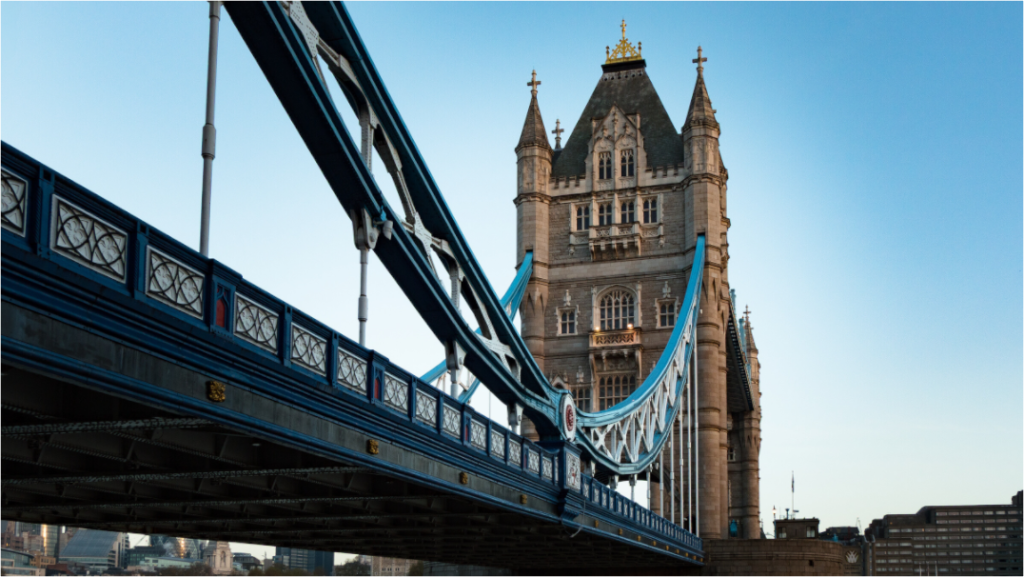
Tower Bridge Steel
Othervariant london available in multiple sizes and configurations.
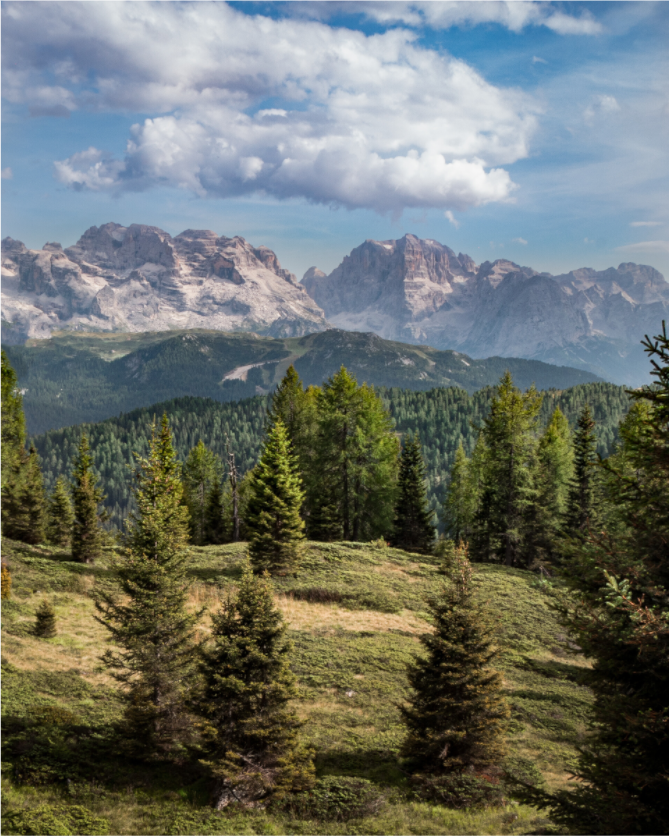
Val di Sole
Othervariant nature available in multiple sizes and configurations.